





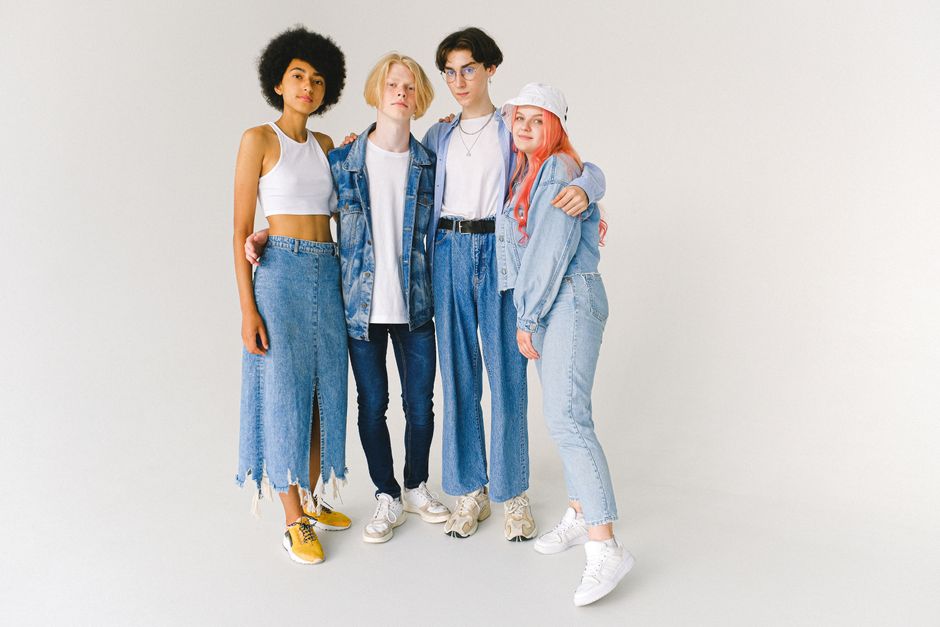
As Generation Z becomes a more influential demographic, luxury brands are adapting their strategies to meet the expectations and preferences of these younger consumers. Born between the mid-1990s and early 2010s, Gen Z is recognized for its digital fluency, social consciousness, and distinct approach to purchasing high-end goods.
Changing Preferences in the Luxury Market
Luxury brands are observing a shift in consumer behavior as Gen Z places greater value on authenticity, sustainability, and unique experiences. According to industry analysts, this generation is less interested in traditional status symbols and more focused on products that reflect their personal values and identity.
“Gen Z consumers are looking for brands that align with their beliefs and offer genuine engagement,” said a spokesperson from a leading luxury consultancy. “They are not just buying a product; they are investing in a brand’s story and its impact on the world.”
Digital Engagement and Social Media Influence
Gen Z’s purchasing decisions are heavily influenced by digital platforms and social media. Luxury brands are increasing their presence on channels such as Instagram, TikTok, and Snapchat to connect with younger audiences. Interactive campaigns, influencer partnerships, and immersive online experiences have become essential tools for reaching this demographic.
Research indicates that Gen Z consumers are more likely to discover new luxury products online, and they often rely on peer recommendations and user-generated content before making a purchase.
Sustainability and Ethical Considerations
Environmental and ethical concerns play a significant role in Gen Z’s buying habits. Many young consumers expect luxury brands to demonstrate transparency in their sourcing and production processes. Companies are responding by highlighting sustainable materials, ethical labor practices, and initiatives aimed at reducing environmental impact.
“Sustainability is not just a trend for Gen Z—it’s a requirement,” noted an executive from a global fashion house. “Brands that fail to address these issues risk losing relevance with the next generation of luxury buyers.”
Personalization and Customization
Personalized experiences and customized products are increasingly important to Gen Z shoppers. Luxury brands are investing in technology that allows customers to tailor items to their preferences, from monogramming to bespoke design services.
Experts suggest that offering individualized options helps brands build loyalty and differentiate themselves in a competitive market.
Outlook for the Luxury Industry
As Gen Z’s influence continues to grow, luxury brands are expected to further evolve their offerings and marketing strategies. Embracing digital innovation, sustainability, and personalization will be key to capturing the attention and loyalty of this emerging consumer group.