




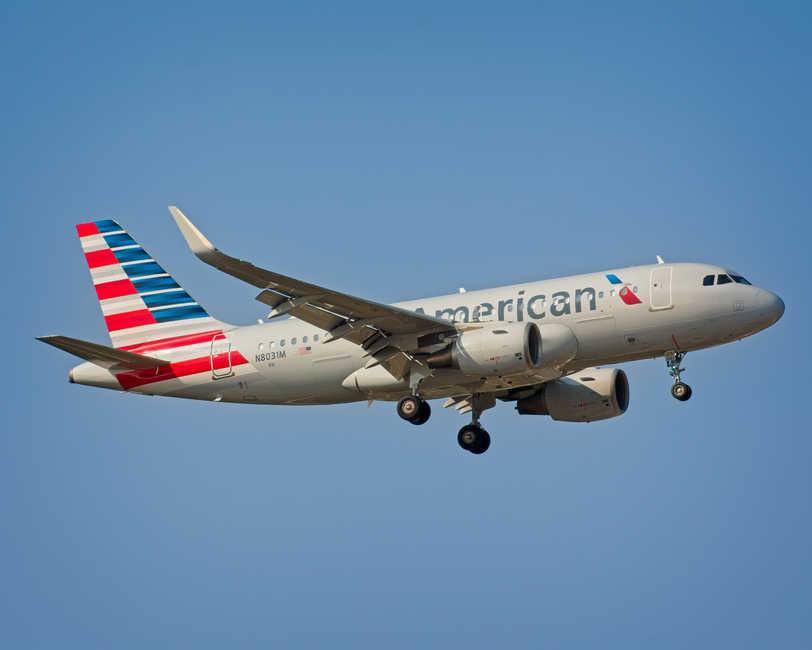
Major airlines in the United States are restructuring their services and operations to cater more directly to their most lucrative customers: premium travelers. This shift comes as airlines seek to maximize revenue and adapt to evolving travel patterns following the pandemic.
Emphasis on High-Value Passengers
Airlines are increasingly prioritizing business and first-class passengers, who contribute a significant portion of total revenue. According to industry executives, these travelers are often responsible for up to 70% of airline profits, despite representing a smaller share of total seats sold.
Delta Air Lines, American Airlines, and United Airlines have all introduced new amenities and upgraded cabin experiences for premium customers. These enhancements include improved seating, exclusive lounges, and expanded in-flight dining options. Airlines are also investing in technology to streamline the travel process for these passengers, such as expedited security and boarding procedures.
Changes in Cabin Configuration
To accommodate the demand for premium services, several airlines are reconfiguring aircraft interiors. United Airlines, for example, has added more business-class seats on long-haul routes. American Airlines has announced plans to remove some first-class seats in favor of more business-class offerings, reflecting changing customer preferences.
Delta Air Lines has expanded its Delta One suites, offering increased privacy and comfort for international travelers. These changes are part of a broader trend to allocate more space and resources to higher-paying customers, while economy seating remains largely unchanged.
Impact of Corporate Travel Trends
The pandemic has altered traditional business travel patterns, with many companies reducing travel budgets and relying more on virtual meetings. However, airlines report that premium leisure travelers—those willing to pay for upgraded experiences—are helping to offset declines in corporate bookings.
Industry analysts note that airlines are targeting these high-spending leisure customers with tailored marketing and loyalty programs. Airlines are also adjusting flight schedules and routes to serve destinations popular with premium travelers.
Financial Implications
Focusing on premium passengers allows airlines to generate higher margins, especially as operational costs rise. According to airline executives, the strategy is essential for maintaining profitability in a competitive market.
Despite these changes, airlines continue to offer a range of fare options, including basic economy, to appeal to a broad customer base. However, the emphasis on premium services is expected to remain a central component of airline business models moving forward.

Other Articles