




Luxury home design is undergoing a transformation, with architects and clients increasingly prioritizing experiential living over traditional displays of extravagance. This shift is reflected in the way new high-end residences are being conceptualized and constructed, focusing on how spaces feel and function rather than simply showcasing opulence.
Changing Priorities in High-End Residential Design
Architects and developers report that affluent homeowners are seeking properties that offer unique, personalized experiences. Rather than emphasizing grandiose features or lavish materials, the latest trend centers on creating environments that foster well-being, comfort, and meaningful interactions.
“Clients are asking for homes that support their lifestyles and enhance their daily routines,” said New York-based architect Elizabeth Roberts. “It’s less about impressing others and more about how the space makes them feel.”
Focus on Wellness and Connection
Wellness amenities have become a central aspect of luxury home design. Features such as meditation rooms, spa-like bathrooms, and indoor-outdoor living spaces are increasingly common. These elements are designed to promote relaxation and a sense of connection with nature, reflecting a broader movement toward holistic living.
Architects are also integrating technology in subtle ways to improve comfort and convenience without detracting from the overall aesthetic. Smart home systems, air purification technologies, and energy-efficient solutions are now standard in many new luxury residences.
Personalization and Craftsmanship
Customization is another hallmark of the new luxury. Homeowners are seeking spaces tailored to their individual preferences, from bespoke kitchens to private art studios. Attention to craftsmanship and detail remains important, but the focus has shifted to quality and authenticity rather than sheer extravagance.
“People want homes that reflect who they are,” said Los Angeles designer Brigette Romanek. “It’s about creating spaces that are both beautiful and deeply personal.”
Architectural Trends Reflecting the Shift
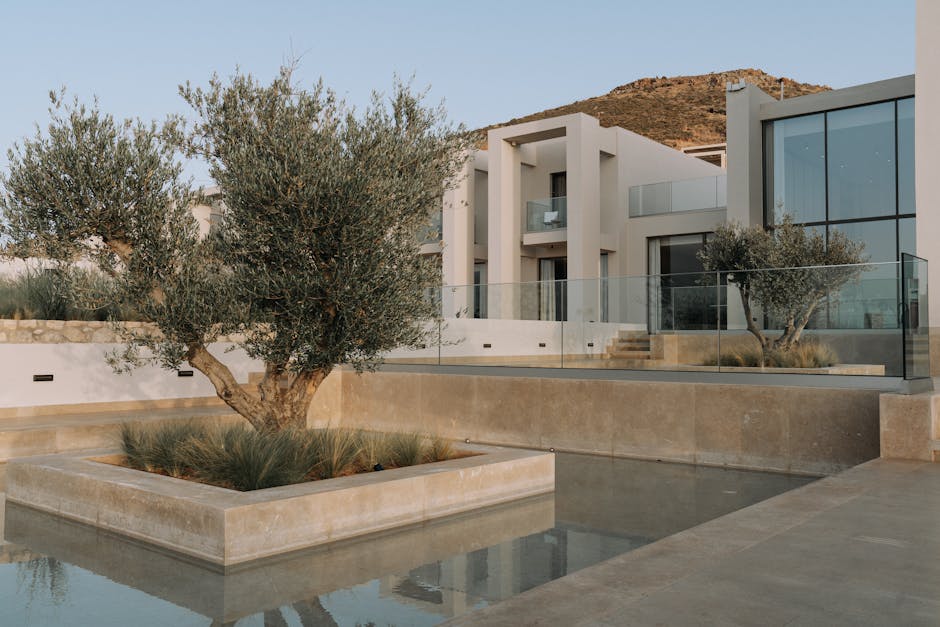
Open floor plans, natural materials, and seamless transitions between indoor and outdoor areas are among the architectural trends gaining popularity. These design choices aim to enhance the sensory experience of living in the home, prioritizing light, air, and views over ornate decoration.
Developers note that buyers are increasingly interested in properties that offer flexibility and adaptability, allowing spaces to serve multiple functions as needs change over time.
Conclusion
The definition of luxury in residential architecture is evolving, with experience and personal connection taking precedence over traditional notions of excess. As homeowners continue to seek environments that support their well-being and reflect their values, architects and designers are responding with innovative solutions that prioritize how spaces are lived in and enjoyed.

Other Articles