





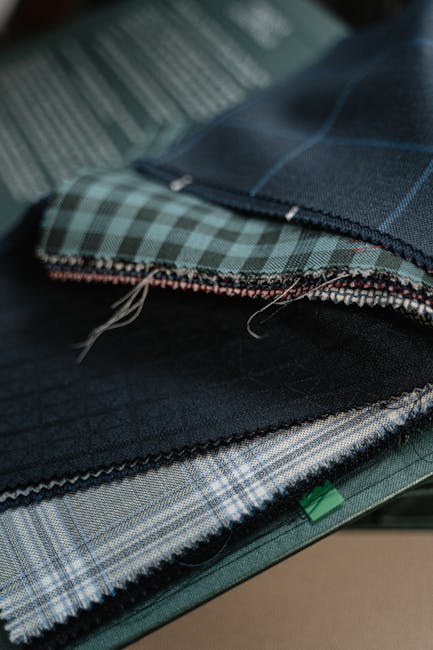
In the heart of the Italian Alps, a single wool mill laid the foundation for what would become one of the most vertically integrated empires in luxury menswear. The story of Zegna traces back to the early 20th century, when Ermenegildo Zegna established a textile mill in Trivero, a small town nestled in northern Italy.
Origins in the Italian Alps
Ermenegildo Zegna founded his wool mill in 1910, aiming to produce high-quality fabrics using the finest raw materials. The location in Trivero provided access to pure Alpine water, essential for washing and processing wool. Zegna’s commitment to quality and innovation quickly set the company apart in the textile industry.
Expansion and Vertical Integration
Throughout the decades, Zegna expanded its operations beyond fabric production. By the mid-20th century, the company began to oversee every stage of the manufacturing process, from sourcing raw wool to weaving, dyeing, and tailoring finished garments. This approach allowed Zegna to maintain strict quality control and traceability across its supply chain.
Global Growth and Brand Development
In the 1960s and 1970s, Zegna extended its reach internationally, opening boutiques in major cities and establishing itself as a symbol of Italian luxury menswear. The brand’s reputation grew as it continued to invest in technology and sustainable practices, while remaining family-owned and operated.
Commitment to Sustainability and Innovation
Zegna has prioritized environmental stewardship and social responsibility throughout its history. The company has implemented initiatives to protect the natural landscape surrounding its original mill and has invested in sustainable sourcing of wool and other materials. Innovation remains central to Zegna’s operations, with ongoing research into fabric development and production techniques.
Present-Day Operations and Industry Influence
Today, Zegna stands as a leading example of vertical integration in the luxury fashion sector. The company manages every aspect of production, from raw material selection to retail distribution. This structure enables Zegna to uphold its standards of quality and craftsmanship, while adapting to changing market demands.