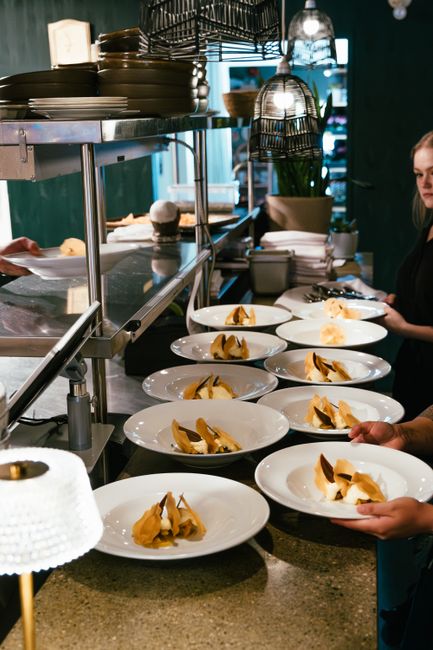







Mother’s Day has become a significant event for businesses across various sectors, with brands in luxury dining, jewelry, beauty, fashion, travel, and food delivery capitalizing on the occasion to drive considerable profits. Companies utilize emotional messaging and targeted campaigns to encourage consumers to spend on gifts and experiences for mothers and maternal figures.
Major Revenue Opportunities for Brands
According to industry analysts, Mother’s Day is one of the most lucrative retail events of the year, with spending in Australia alone estimated to reach $925 million in 2024. This figure encompasses a broad range of purchases, including fine dining, jewelry, beauty products, clothing, travel packages, and food delivery services.
Luxury restaurants often report fully booked reservations weeks in advance, as families seek to celebrate the occasion with special meals. Jewelry retailers also see a surge in sales, with classic items such as necklaces, bracelets, and earrings proving popular among shoppers looking for meaningful gifts.
Emotional Marketing Strategies
Brands employ emotionally charged advertising to connect with consumers during the lead-up to Mother’s Day. Campaigns frequently highlight themes of gratitude, love, and appreciation, aiming to inspire customers to express their feelings through gift-giving. Marketing experts note that these strategies are designed to foster a sense of obligation and sentimentality, which can translate into increased spending.
Beauty and fashion brands release limited-edition products and curated gift sets specifically for Mother’s Day, further encouraging purchases. Travel companies and food delivery platforms also promote special offers and packages tailored to the holiday, emphasizing convenience and the opportunity to create memorable experiences.
Consumer Spending Patterns
Data from market research firms indicate that the average Australian consumer plans to spend approximately $80 on Mother’s Day gifts in 2024. Popular choices include dining experiences, jewelry, beauty treatments, clothing, and personalized items. Food delivery services have also seen growth, with many families opting for at-home celebrations featuring gourmet meals delivered directly to their doors.
Retailers report that online sales account for a significant portion of Mother’s Day purchases, reflecting broader trends in e-commerce and digital marketing. Social media platforms play a key role in influencing buying decisions, as brands use targeted ads and influencer partnerships to reach potential customers.
Impact on the Retail Sector
Mother’s Day represents a critical period for retailers, particularly those in sectors closely associated with gifting and hospitality. Many businesses rely on the holiday to boost quarterly sales and attract new customers. Industry observers suggest that the emotional nature of Mother’s Day marketing contributes to its effectiveness, as consumers are motivated by a desire to show appreciation for loved ones.
Despite economic fluctuations, spending on Mother’s Day has remained resilient, with consumers prioritizing gifts and experiences that convey affection and gratitude. Retailers continue to adapt their strategies to meet evolving consumer preferences, offering a mix of traditional and innovative products and services.
Conclusion
Mother’s Day continues to serve as a major driver of revenue for brands in luxury dining, jewelry, beauty, fashion, travel, and food delivery. Through emotionally resonant marketing and tailored offerings, businesses are able to turn the celebration into a highly profitable event.
For further information, the original article can be accessed at this link.