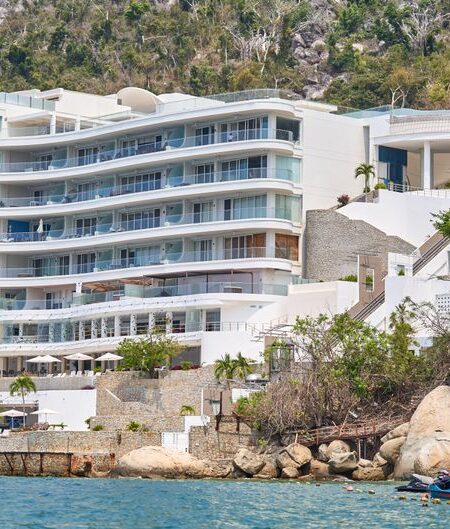







For the first time in decades, the United States is experiencing a significant increase in the number of luxury hotels, with new developments reaching record levels. This surge in upscale accommodations is reshaping the hospitality landscape and influencing economic activity in cities across the country.
Growth in the Luxury Hotel Sector
Recent data shows that the construction of luxury hotels in the US has reached its highest point in recent years. According to industry analysts, over 200 new luxury hotel projects are currently underway, marking a notable rise compared to previous years. This trend is attributed to increased demand from both domestic and international travelers seeking premium experiences.
Major cities such as New York, Los Angeles, and Miami are leading the way in luxury hotel openings, with several high-profile properties scheduled to debut within the next year. Industry experts note that this growth is not limited to traditional urban centers, as secondary markets are also seeing a rise in upscale hotel development.
Economic Implications for Local Communities
The expansion of luxury hotels is having a measurable impact on local economies. New hotel projects often generate employment opportunities during both the construction and operational phases. Local businesses, including restaurants, retailers, and service providers, may also benefit from increased visitor spending associated with high-end accommodations.
In some cases, city officials have reported that luxury hotel openings contribute to higher tax revenues and increased tourism activity. However, some community members have raised concerns about potential challenges, such as rising property values and the displacement of existing residents or businesses.
Factors Driving Demand for Upscale Accommodations
Several factors are fueling the demand for luxury hotels in the US. The resurgence of business travel, coupled with a growing segment of leisure travelers seeking exclusive amenities, has prompted hotel developers to invest in high-end properties. Additionally, international visitors are returning to the US in greater numbers, further supporting the market for luxury accommodations.
Industry analysts also point to evolving consumer preferences, with travelers increasingly prioritizing personalized service, wellness offerings, and unique experiences. These trends have encouraged hotel brands to differentiate their properties through innovative design, technology integration, and curated guest experiences.
Outlook for the Luxury Hotel Industry
Looking ahead, experts anticipate continued growth in the US luxury hotel sector. While economic uncertainties and shifting travel patterns may influence future development, the current pipeline of projects suggests sustained momentum in the near term.
As the hospitality industry adapts to changing traveler expectations, the rise of luxury hotels is expected to play a significant role in shaping the future of accommodations and local economies nationwide.