





After three separate trips to Bangkok, certain aspects of getting around the city have become clearer. The Thai capital offers a range of transportation options, each with its own advantages and challenges. Understanding these can help visitors navigate the city more efficiently.
Variety of Transportation Choices
Bangkok features an extensive array of transport modes, including the BTS Skytrain, MRT subway, taxis, tuk-tuks, motorbike taxis, and river ferries. Each option serves different parts of the city and is suitable for various travel needs.
BTS Skytrain and MRT Subway
The BTS Skytrain and MRT subway are among the most reliable ways to avoid the city’s frequent traffic congestion. These systems are modern, air-conditioned, and cover many of the main districts. However, not all attractions are accessible via these networks, and some destinations may require additional transport after disembarking.
Taxis and Ride-Hailing Services
Taxis are widely available and relatively inexpensive compared to many other major cities. It is advisable to ensure that the driver uses the meter, as flat fares are often higher. Ride-hailing apps such as Grab are also popular and can be more convenient for travelers who do not speak Thai.
Tuk-Tuks and Motorbike Taxis
Tuk-tuks are a well-known symbol of Bangkok and offer a unique travel experience. Fares should be negotiated before starting the journey, as there are no meters. Motorbike taxis provide a fast way to navigate through traffic, but may not be suitable for everyone due to safety considerations.
River Ferries
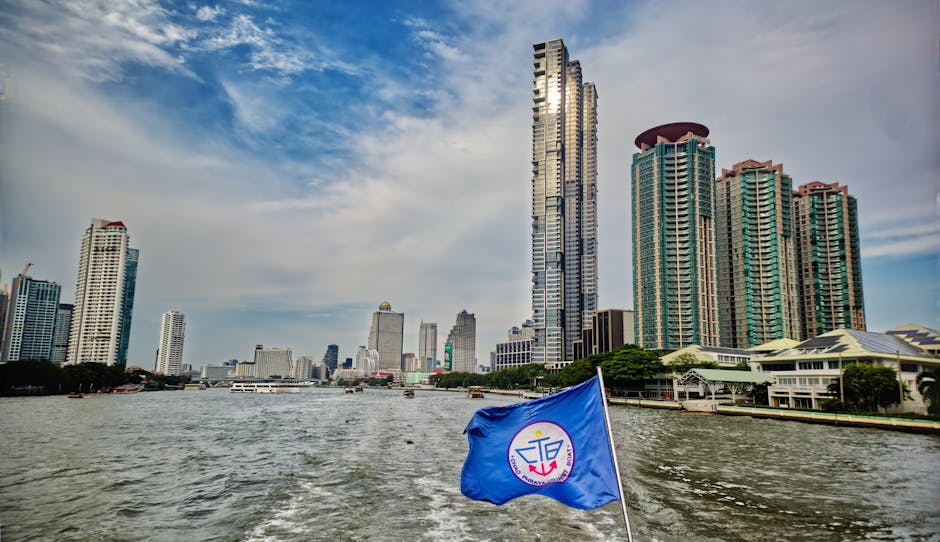
The Chao Phraya River ferries are an efficient way to reach riverside attractions. These boats operate on set routes and can help avoid road traffic, especially during peak hours.
Challenges and Tips
Bangkok’s traffic is known for being unpredictable and can significantly increase travel times, particularly during rush hours. Planning ahead and allowing extra time for journeys is recommended. Additionally, some areas may not be well-served by public transport, making taxis or ride-hailing services necessary.
Language barriers can sometimes complicate communication with drivers. Having your destination written in Thai or using a map app can help prevent misunderstandings. It is also important to carry small change, as drivers may not always have enough for larger bills.
Summary of Key Points
- The BTS Skytrain and MRT subway are efficient but do not reach every part of the city.
- Taxis and ride-hailing apps are convenient, but ensure meters are used or agree on fares in advance.
- Tuk-tuks and motorbike taxis offer flexibility, though safety and fare negotiation should be considered.
- River ferries are a practical option for accessing riverside destinations.
- Traffic congestion is common, so plan for potential delays.
- Language and payment issues can arise; preparation can help avoid complications.