





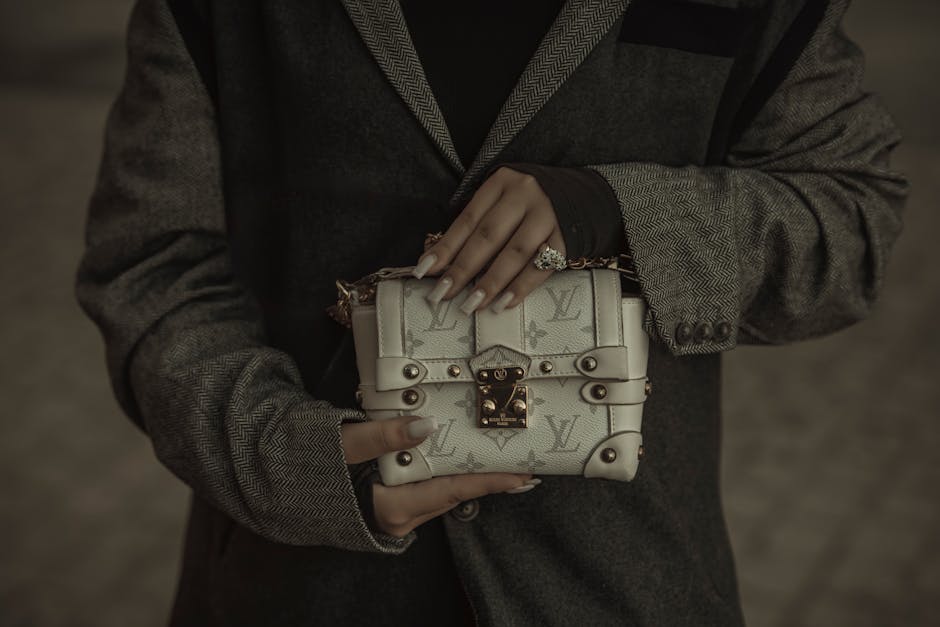
Luxury brands are increasingly moving beyond traditional product offerings such as handbags and apparel, shifting their strategies toward providing unique experiences to drive business growth.
Emphasis on Experiential Offerings
Companies in the luxury sector are investing in ventures like hotels, private clubs, and fine dining establishments. This strategic pivot aims to engage consumers seeking more than just physical products, as brands look to foster deeper connections and lasting loyalty.
Notable Brand Initiatives
Leading luxury houses are at the forefront of this trend. For instance, LVMH has expanded its presence in hospitality through its Cheval Blanc and Belmond hotel brands. Similarly, Gucci has launched Gucci Osteria restaurants in cities including Florence, Los Angeles, and Tokyo. Prada has also entered the hospitality space with its Marchesi 1824 cafés.
Industry Drivers and Consumer Preferences
Analysts attribute this shift to evolving consumer expectations, particularly among younger demographics who prioritize experiences over material possessions. According to industry experts, luxury brands are responding to demand for immersive environments that reflect their identity and heritage.
Financial Performance and Market Outlook
While the luxury goods market has faced challenges, experiential offerings are seen as a way to diversify revenue streams. Market observers note that experiences such as exclusive travel packages and members-only clubs can command premium pricing, contributing to brand prestige and financial resilience.
Future Prospects
Executives in the sector anticipate continued investment in experience-driven initiatives. The integration of hospitality, entertainment, and retail is expected to remain a central strategy as luxury brands adapt to changing consumer behaviors.