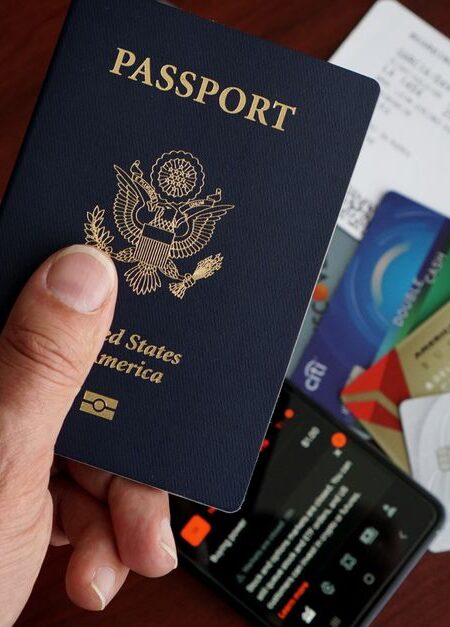






Travelers often encounter unexpected expenses while overseas, ranging from medical emergencies to sudden changes in travel plans. Experienced globetrotters have developed methods to address these surprises efficiently. Below are six approaches frequent travelers use to handle unforeseen costs during international trips.
1. Maintaining an Emergency Fund
Many seasoned travelers set aside a dedicated emergency fund before embarking on a trip. This reserve is kept separate from daily spending money and is only accessed in urgent situations, such as lost luggage or last-minute accommodation changes. By planning ahead, travelers can avoid financial stress when unexpected expenses arise.
2. Utilizing Travel Insurance
Comprehensive travel insurance is a common safeguard among frequent travelers. Policies often cover medical emergencies, trip cancellations, and lost belongings. Travelers recommend reviewing policy details to ensure coverage aligns with potential risks at the destination. This preparation can help minimize out-of-pocket costs if unforeseen events occur.
3. Relying on Credit Cards with Travel Benefits
Many travelers use credit cards that offer travel-related perks, such as emergency assistance, travel accident insurance, or reimbursement for delayed flights. These cards can provide immediate access to funds and support services when needed. It is important for travelers to be aware of their card’s benefits and any associated fees when using them abroad.
4. Staying Informed About Local Resources
Experienced travelers often research local resources, such as nearby embassies, clinics, and banks, before their trip. Having this information readily available can expedite solutions to problems like lost passports or medical emergencies. Some travelers keep a list of important contacts and locations in both digital and printed formats.
5. Monitoring Exchange Rates and Fees
Frequent travelers pay close attention to currency exchange rates and transaction fees. By using local ATMs or credit cards with no foreign transaction fees, they can reduce additional costs. Some also track exchange rates to determine the best times to convert money, helping to stretch their travel budget further.
6. Adapting Travel Plans Quickly
Flexibility is key when dealing with unexpected expenses. Travelers may adjust itineraries, switch accommodations, or change transportation methods to manage costs. Being open to alternative solutions, such as using public transit instead of taxis, can help offset unforeseen financial burdens.