





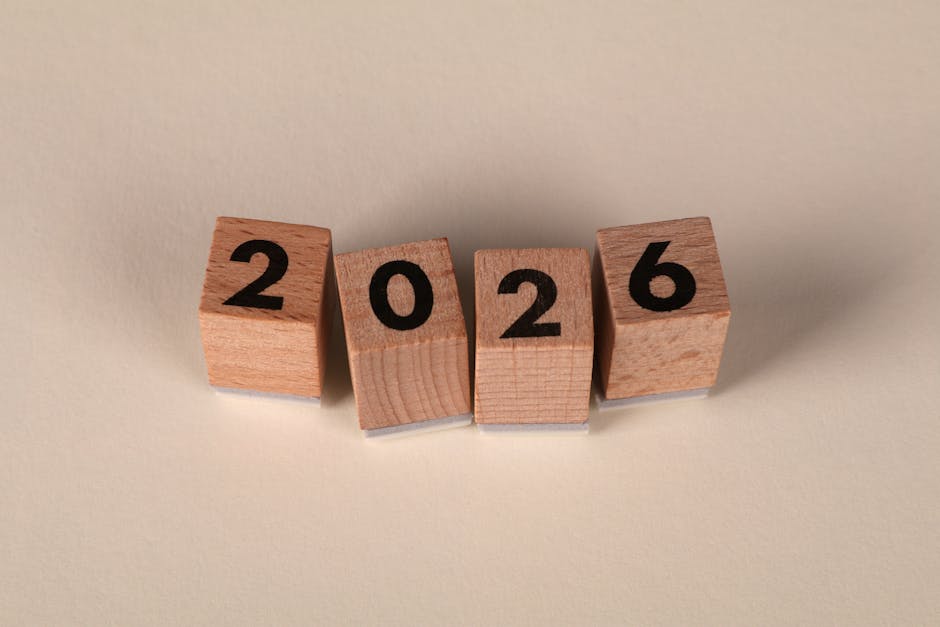
As the luxury sector looks ahead to 2026, several significant trends are anticipated to influence how premium brands position themselves and connect with consumers. Shifts in technology, consumer values, and global markets are set to redefine the landscape for high-end goods and services.
Digital Innovation and Immersive Experiences
Luxury brands are expected to further embrace digital advancements, integrating technologies such as augmented reality (AR) and virtual reality (VR) into their customer experiences. These tools are projected to offer more immersive and personalized interactions, allowing consumers to engage with products in new ways before making a purchase.
Focus on Sustainability and Ethical Practices
Environmental and social responsibility are becoming increasingly important to luxury consumers. By 2026, brands are likely to prioritize sustainable sourcing, transparent supply chains, and ethical manufacturing processes. This shift is driven by growing consumer demand for products that align with their values regarding environmental impact and social justice.
Personalization and Customization
Personalized offerings are expected to become more prevalent in the luxury market. Brands are anticipated to leverage data analytics and artificial intelligence to tailor products and services to individual preferences. This trend aims to enhance customer loyalty and create unique experiences that distinguish luxury brands from competitors.
Expansion into Emerging Markets
Growth in emerging economies is projected to play a crucial role in the luxury sector’s future. Brands are preparing to expand their presence in regions such as Asia, the Middle East, and Africa, where rising affluence is increasing demand for premium goods. This expansion is likely to involve adapting products and marketing strategies to suit local tastes and cultural preferences.
Integration of Wellness and Lifestyle
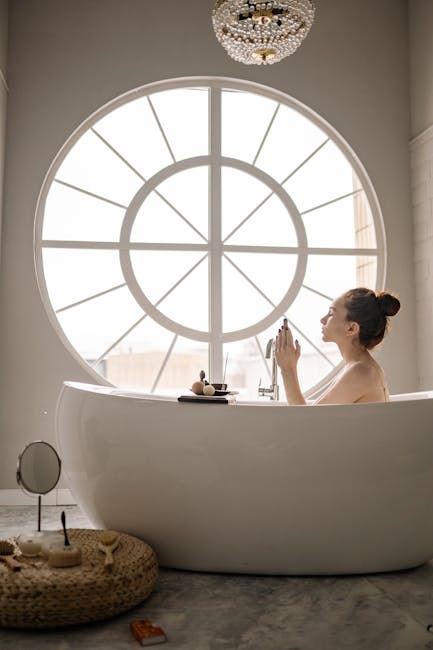
The convergence of luxury with wellness and lifestyle offerings is anticipated to continue. Brands are expected to introduce products and services that promote health, well-being, and holistic living, reflecting a broader shift in consumer priorities. This includes collaborations with wellness experts and the incorporation of health-focused features into traditional luxury items.
Conclusion
As 2026 approaches, luxury brands are preparing to navigate a rapidly evolving market shaped by technological innovation, sustainability, personalization, and global expansion. These trends are set to redefine what it means to be a luxury brand and how they engage with a new generation of consumers.

Other Articles