


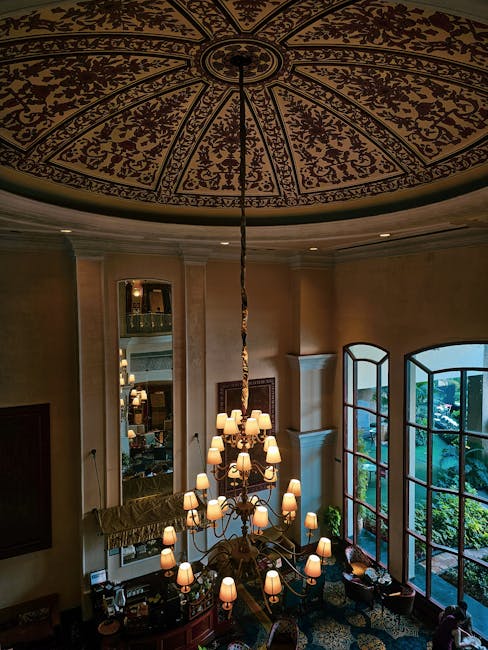
Delhi’s inaugural luxury hotel, The Imperial, holds a significant place in the city’s history, not only for its architectural grandeur but also for its involvement in pivotal events during the Partition of India in 1947.
Establishment and Early Years of The Imperial
The Imperial Hotel, located on Janpath, was inaugurated in 1936. Designed by architect F.B. Blomfield, the hotel was commissioned by S.B.S. Ranjit Singh. Its colonial-era design and opulent interiors quickly made it a prominent establishment in the capital. The hotel became a favored venue for British officials, Indian royalty, and dignitaries visiting Delhi.
The Hotel’s Connection to the Partition
In the years leading up to India’s independence, The Imperial served as a meeting place for key political figures. According to historical accounts, the hotel’s tea lounge was the site of several discussions between leaders such as Jawaharlal Nehru, Mohammad Ali Jinnah, and Lord Mountbatten. These meetings are said to have played a role in shaping the decisions that led to the Partition of India and the creation of Pakistan.
Legacy and Historical Significance
The Imperial’s association with the events of 1947 has contributed to its reputation as a landmark in Delhi’s history. The hotel’s archives and memorabilia reflect its involvement in significant moments, including the negotiations and dialogues that occurred within its walls. Today, The Imperial continues to operate as a luxury hotel, retaining much of its original charm and historical character.
Further Reading