





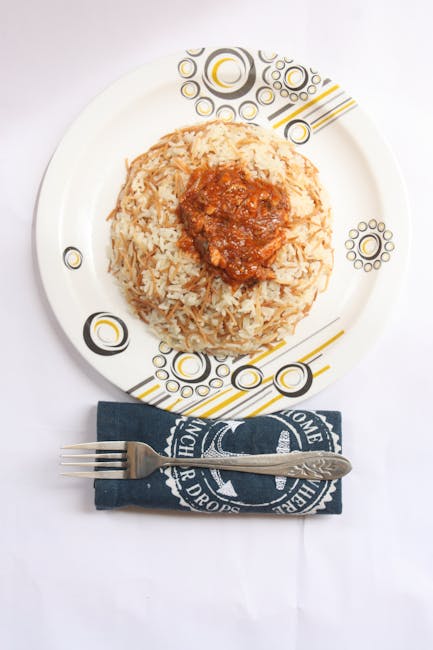
Jollof rice, once a common dish in Nigerian households, has become increasingly unaffordable for many families as the cost of its ingredients continues to climb.
Escalating Prices Affect a National Favorite
Traditionally regarded as a staple food, jollof rice is now considered a luxury for numerous Nigerians. The dish, made from rice, tomatoes, onions, and spices, has seen its preparation costs soar due to inflation and currency devaluation.
“Jollof rice used to be something we could eat any day,” said Lagos resident Chinedu Okafor. “Now, it’s only for special occasions because the ingredients are too expensive.”
Ingredient Costs on the Rise
The price of rice, a key component of the dish, has nearly doubled in the past year. Tomatoes and onions, both essential for the sauce, have also experienced significant price increases. According to market vendors, a bag of rice that cost 30,000 naira last year now sells for about 60,000 naira. Similarly, a basket of tomatoes that previously sold for 8,000 naira is now priced at 20,000 naira.
“We have to charge more for cooked jollof rice because everything we use is more expensive,” explained food vendor Aisha Bello. “Customers complain, but we have no choice.”
Economic Factors Contribute to Food Inflation
Analysts attribute the rising costs to a combination of factors, including currency depreciation, increased transportation expenses, and disruptions in local agriculture. The naira’s decline against the dollar has made imported goods, such as rice, more costly. Additionally, fuel price hikes have driven up the cost of moving goods from farms to markets.
“Inflation is affecting every sector, but food prices are rising the fastest,” said economist Tunde Adebayo. “Staple foods like jollof rice are no longer affordable for the average family.”
Impact on Households and Traditions
Many families have been forced to reduce the frequency with which they prepare jollof rice, reserving it for celebrations or gatherings. Some have substituted less expensive ingredients or switched to alternative meals altogether.
“We used to eat jollof rice every Sunday,” said Abuja resident Maryam Yusuf. “Now, we only make it during holidays because we can’t afford it every week.”
Uncertain Outlook for a Beloved Dish
With no immediate relief in sight, both consumers and vendors remain concerned about the future affordability of jollof rice. The dish, which holds cultural significance across Nigeria and West Africa, faces an uncertain future as economic pressures persist.

Other Articles