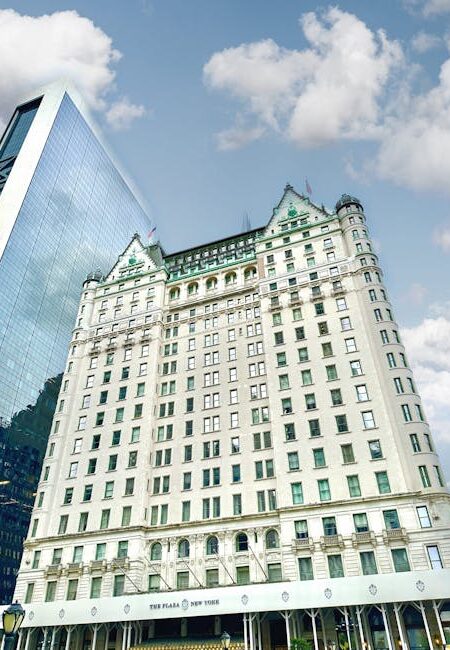






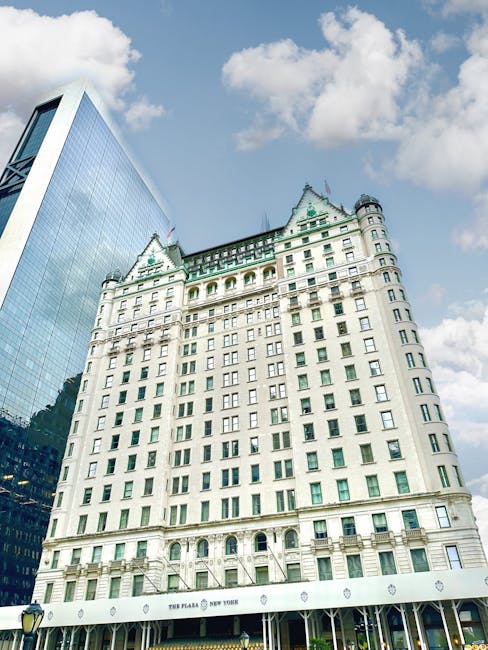
Private family offices are increasingly becoming prominent buyers in New York City’s luxury hotel market, contributing to a notable rise in high-end property transactions. These investment entities, which manage the wealth of affluent families, have been actively acquiring prestigious hotels across Manhattan in recent months.
Recent High-Profile Hotel Purchases
Several luxury hotels in New York have changed ownership recently, with family offices leading many of these deals. Notable transactions include the purchase of the Mandarin Oriental by Reliance Industries, the Indian conglomerate controlled by billionaire Mukesh Ambani, for $98.15 million. In another significant deal, the family office of British billionaire Sir Leonard Blavatnik acquired the Park Lane Hotel for $623 million.
These acquisitions are part of a broader trend, as wealthy investors seek to diversify their portfolios and capitalize on the recovery of the hospitality sector following the pandemic-induced downturn.
Motivations Behind Increased Investment
Industry analysts suggest that family offices are drawn to luxury hotels due to their potential for long-term value appreciation and stable cash flow. The easing of travel restrictions and a rebound in tourism have further increased the attractiveness of these assets.
“Family offices are looking for trophy assets that can generate steady returns and offer prestige,” said a hotel industry consultant. “New York’s luxury hotel market fits that profile.”
Market Impact and Outlook
The influx of family office capital has contributed to rising competition for prime hotel properties in Manhattan. According to real estate data, luxury hotel sales in New York have reached their highest levels since 2019, with transaction volumes exceeding $2 billion so far this year.
Market observers anticipate that this trend will continue as more family offices seek to invest in high-profile real estate. The combination of recovering occupancy rates and strong demand for luxury accommodations is expected to sustain interest in the sector.
Further Information
For additional details, visit the original report at this link.