



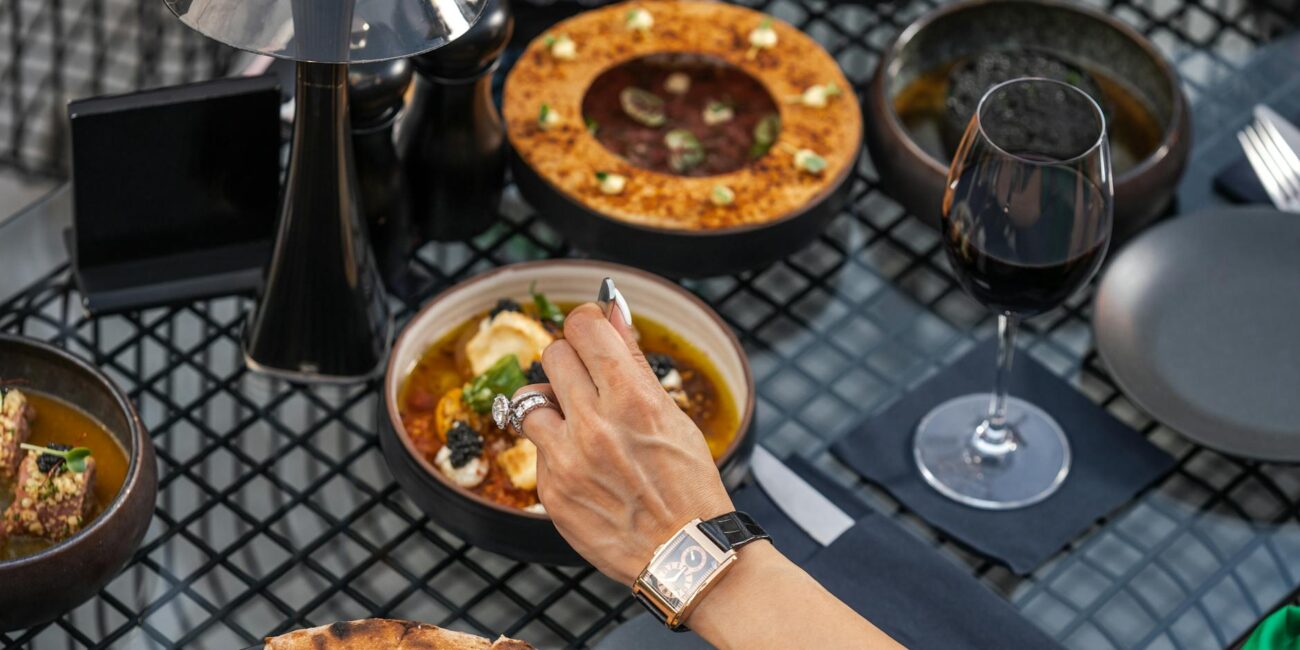
China is rapidly establishing itself as a significant force in the global luxury food sector, with domestic producers increasingly supplying high-end items such as caviar and foie gras to both local and international markets.
Growth in Domestic Production
Chinese companies have expanded their production of luxury foods, including caviar and foie gras, over recent years. Producers in regions such as Hubei and Sichuan have invested in advanced techniques to improve quality and meet growing demand. According to industry representatives, these efforts have enabled Chinese caviar to compete with established European brands in terms of taste and texture.
International Recognition and Exports
China’s luxury food exports have gained recognition abroad. Chinese caviar, in particular, has found a market in Europe and North America. Some producers report that their products are now served in Michelin-starred restaurants internationally. Industry data indicates that China has become one of the world’s leading caviar exporters, with shipments valued at tens of millions of dollars annually.
Domestic Consumption Trends
Demand for luxury foods within China has also increased. Rising incomes and changing consumer preferences have contributed to greater interest in gourmet products such as caviar and foie gras. Retailers and restaurants across major cities now offer these items, reflecting their growing popularity among Chinese consumers.
Challenges and Opportunities
Despite this growth, Chinese luxury food producers face challenges, including competition from established foreign brands and regulatory hurdles in export markets. However, industry analysts suggest that ongoing investment in quality and marketing could further strengthen China’s position in the global luxury food industry.