




China is increasingly establishing itself as a major player in the luxury food sector, with domestic producers making significant strides in the markets for high-end delicacies such as caviar and foie gras.
Growth in Domestic Production
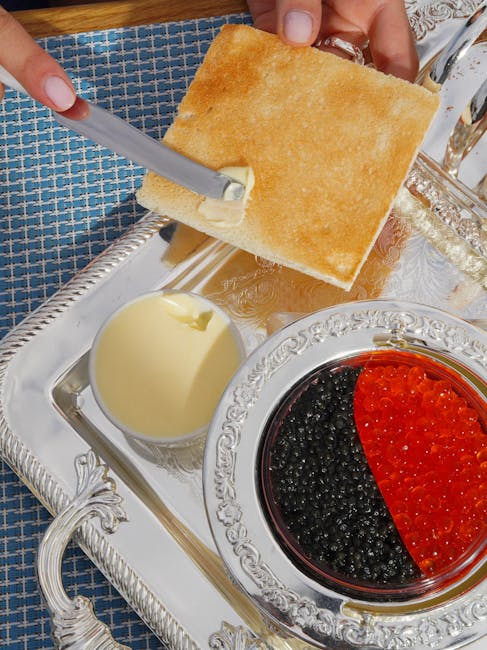
In recent years, Chinese companies have expanded their production of luxury foods that were once predominantly imported. According to industry data, China now ranks among the world’s leading producers of caviar, with output levels surpassing those of traditional suppliers in Europe. The country’s caviar industry has grown rapidly, with producers focusing on quality and sustainability to meet both domestic and international demand.
Foie gras, another luxury food traditionally associated with France, is also being produced in increasing quantities within China. Domestic producers have adopted techniques from established European manufacturers, resulting in products that are gaining recognition in global markets.
Rising Demand Among Chinese Consumers
As incomes rise in China, demand for premium foods has increased. Urban consumers are showing a growing interest in luxury ingredients, leading to a surge in sales of products such as caviar and foie gras. According to market analysts, this trend is expected to continue as more consumers seek out high-end culinary experiences.
International Recognition and Export Growth
Chinese luxury food producers are not only catering to local demand but are also expanding into international markets. Exports of Chinese caviar have risen, with shipments reaching Europe, the United States, and other regions. Industry representatives note that Chinese products are increasingly featured in upscale restaurants and gourmet shops worldwide.
Foie gras exports from China have also grown, with producers targeting markets in Asia and beyond. Industry experts attribute this success to improvements in production standards and a focus on meeting international quality requirements.
Challenges and Opportunities
Despite these achievements, Chinese luxury food producers face challenges such as competition from established international brands and the need to maintain high quality standards. Industry observers point out that continued investment in technology and sustainable practices will be crucial for long-term growth.
Looking ahead, analysts predict that China’s role in the luxury food sector will continue to expand, supported by rising domestic consumption and increasing export opportunities.

Other Articles