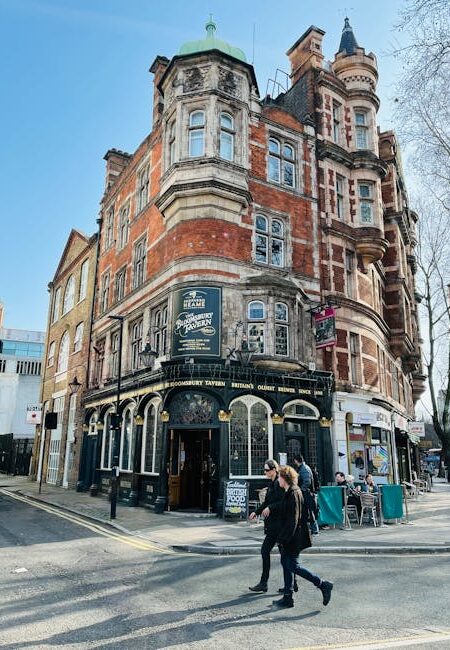






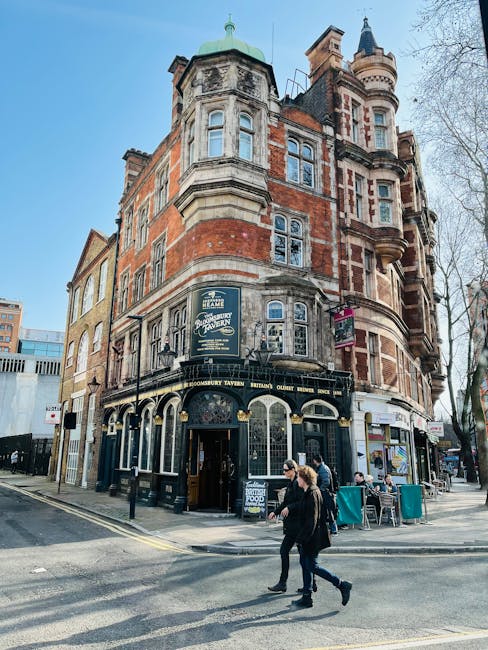
Bloomsbury, situated in London’s West End, is recognized for its tree-lined squares, historic architecture, and longstanding literary associations. The area is home to several notable institutions and has played a significant role in the city’s cultural and academic history.
Historic and Cultural Significance
Bloomsbury is perhaps best known for its connection to the Bloomsbury Group, a collective of writers, intellectuals, and artists that included Virginia Woolf, E.M. Forster, and Lytton Strachey. The group lived and worked in the area during the early 20th century, contributing to Bloomsbury’s reputation as a center for creativity and thought.
The district is also notable for its academic institutions. University College London (UCL) and the University of London are both located in Bloomsbury, attracting students and scholars from around the world. The British Museum, one of the world’s leading museums, is also situated in the area and draws millions of visitors annually.
Green Spaces and Architecture
Bloomsbury is characterized by its abundance of green spaces. Russell Square, Bedford Square, and Tavistock Square are among the most prominent, offering residents and visitors tranquil spots amid the city’s bustle. These squares are surrounded by Georgian and Victorian buildings, many of which have been preserved and repurposed for modern use.
The area’s architecture reflects its history, with terraced houses, academic buildings, and cultural institutions lining the streets. Many of these structures have blue plaques commemorating notable former residents, further highlighting Bloomsbury’s literary and academic heritage.
Modern Bloomsbury
Today, Bloomsbury remains a vibrant neighborhood, balancing its historical roots with contemporary life. Bookshops, cafes, and galleries contribute to the area’s lively atmosphere. The district continues to attract writers, students, and professionals, maintaining its reputation as a hub for culture and learning.

Other Articles
The best restaurants in Miami to book right now