




The global luxury food market is anticipated to experience a compound annual growth rate (CAGR) of 16.5% over the forecast period, according to recent market analysis.
Market Overview
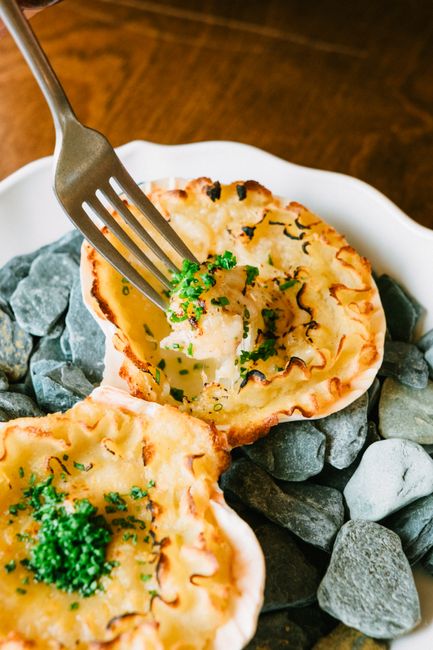
Luxury foods, which include premium products such as caviar, truffles, and specialty cheeses, are seeing increased demand worldwide. This growth is attributed to rising disposable incomes, evolving consumer preferences, and the expansion of high-end retail channels.
Key Factors Influencing Growth
- Growing consumer interest in gourmet and specialty foods is contributing to market expansion.
- Urbanization and lifestyle changes are leading to greater demand for luxury food items.
- Innovations in packaging and distribution are making premium products more accessible.
Market Segmentation
The luxury food market is segmented by product type, distribution channel, and region. Major product categories include fine wines, premium chocolates, and exotic seafood. Distribution channels range from specialty stores to online platforms, with e-commerce playing an increasingly significant role.
Regional Insights
Europe holds a significant share of the luxury food market, driven by established culinary traditions and a strong presence of premium brands. The Asia-Pacific region is expected to witness substantial growth, supported by rising affluence and expanding urban populations.
Industry Trends
- Manufacturers are focusing on product innovation and sustainable sourcing to meet evolving consumer expectations.
- Collaborations between luxury food producers and hospitality providers are becoming more common.
- Digital marketing and online sales channels are gaining importance in reaching affluent consumers.
Market Outlook
With a projected CAGR of 16.5%, the luxury food market is poised for robust growth in the coming years. Industry participants are expected to invest in product development and expand their distribution networks to capitalize on emerging opportunities.

Other Articles