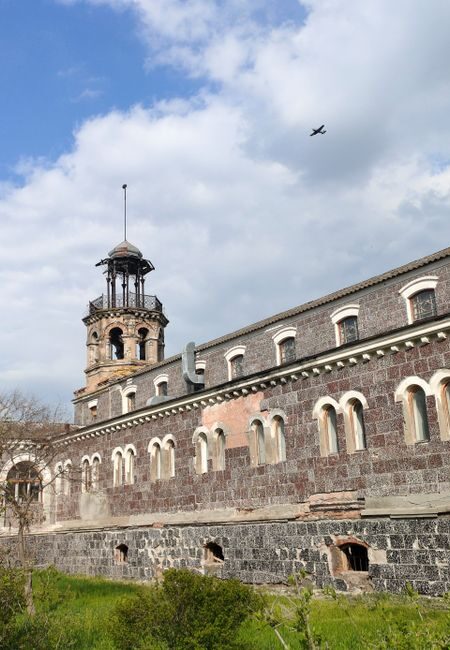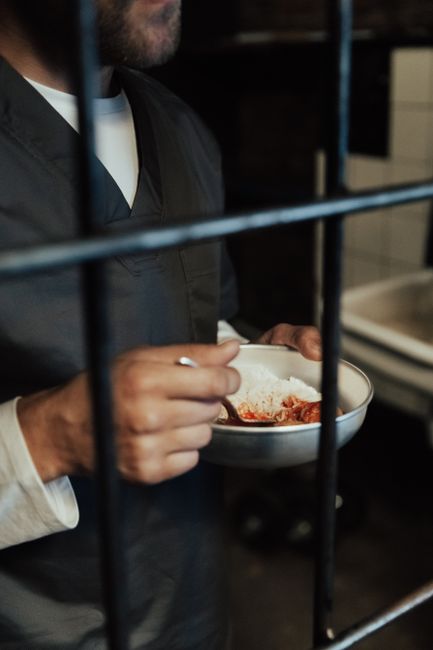





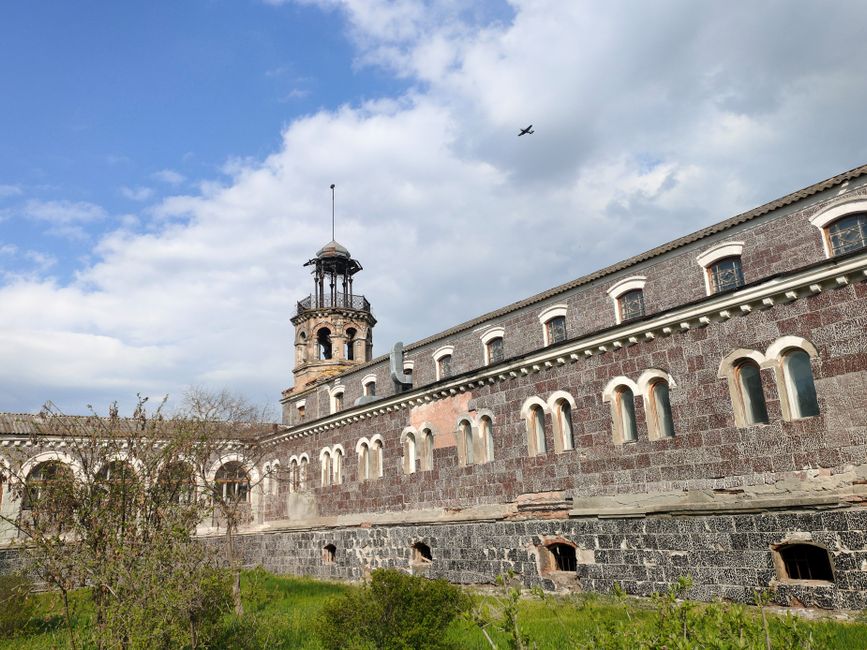
Several sites in Russia that once served as notorious prisons are being redeveloped into luxury hotels, as part of a broader trend to repurpose historical real estate and reshape public memory.
Historic Prisons Undergoing Transformation
In recent years, Russian developers have initiated projects to convert former detention facilities, some of which are associated with the Soviet era’s harsh penal system, into high-end accommodations. These initiatives are part of a growing movement to reimagine the use of historic properties across the country.
Among the most prominent examples is the redevelopment of the Vladimir Central Prison, a facility known for housing political prisoners during the Soviet period. Plans for the site include transforming parts of the prison complex into a boutique hotel, while preserving certain sections as a museum to acknowledge its historical significance.
Balancing Heritage and Commercial Interests
Developers and local officials have stated that these projects aim to balance the preservation of historical heritage with the economic benefits of tourism. “We are committed to maintaining the memory of what happened here, while also giving the site a new purpose,” said one project manager involved in the Vladimir Central redevelopment.
Other former prison sites, such as the Shlisselburg Fortress near St. Petersburg, have also attracted interest from investors seeking to convert them into hospitality venues. Proponents argue that such projects can revitalize local economies and attract visitors interested in Russia’s complex history.
Public Debate Over Redevelopment
The conversion of former prisons into hotels has sparked debate among historians, former inmates, and the general public. Some critics express concern that commercializing these sites may diminish the gravity of past events or overshadow the suffering of those once incarcerated there.
Supporters counter that adaptive reuse can ensure the preservation of historic structures that might otherwise fall into disrepair. “If these buildings are left abandoned, their stories could be lost entirely,” said a local historian. “By giving them new life, we can keep the memory alive for future generations.”
Ongoing Projects and Future Plans
Several redevelopment projects are still in the planning or early construction phases. Authorities have indicated that any modifications to historically significant sites will be subject to oversight by cultural heritage agencies to ensure that key elements are preserved.
As Russia continues to redevelop its historical real estate, the transformation of former prisons into luxury hotels remains a subject of both interest and controversy, reflecting broader questions about how societies remember and reinterpret their past.