




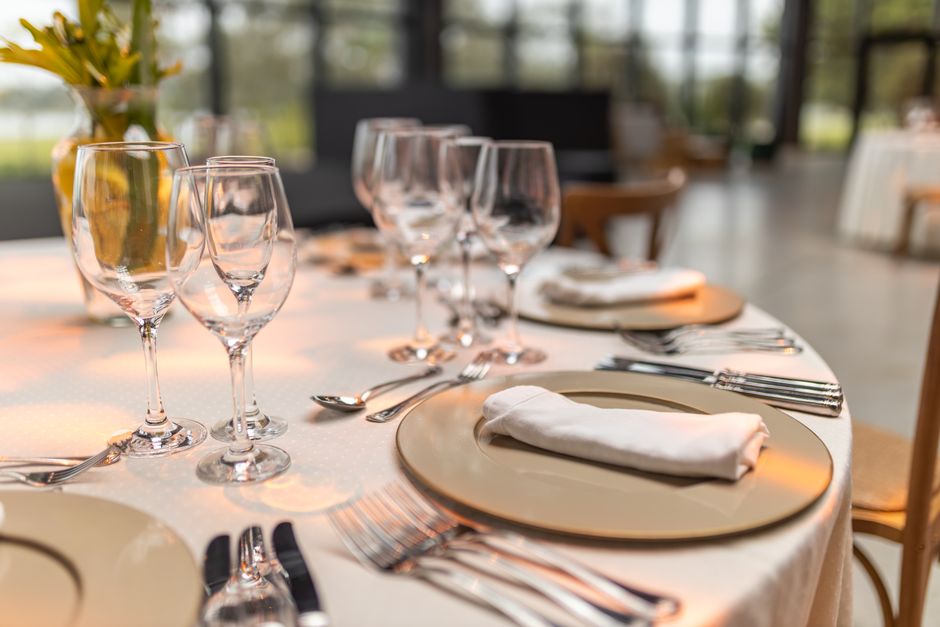
High-end restaurants are increasingly adopting more casual approaches in response to shifting customer preferences and industry challenges. Many establishments that once emphasized formal service and elaborate tasting menus are now opting for relaxed atmospheres and simplified offerings.
Changing Customer Expectations
Restaurant owners and chefs report that diners are seeking less formality and more approachable experiences. “People want to feel comfortable and have a good time, rather than be intimidated by the setting,” said chef Marcus Samuelsson. This trend has led to the removal of dress codes and the introduction of à la carte menus in venues previously known for multi-course meals.
Industry Pressures and Adaptation
The hospitality sector has faced significant pressures, including rising costs and labor shortages. These factors have influenced the shift toward streamlined operations. According to the National Restaurant Association, 62% of fine dining operators have adjusted their business models since 2022 to address these challenges.
Examples of the Shift
Several prominent restaurants have made notable changes. In New York City, Eleven Madison Park transitioned from a formal tasting menu to a more flexible dining format. Similarly, San Francisco’s Atelier Crenn introduced a casual wine bar alongside its main restaurant. These adaptations reflect a broader movement within the industry.
Looking Ahead
Industry analysts suggest that the fine dining sector will continue to evolve as it responds to economic realities and changing consumer tastes. While some traditional elements remain, the emphasis is increasingly on comfort, accessibility, and operational sustainability.
For more details, visit the original source: The Fine Dining Flip.

Other Articles

Why Luxury Travel Can’t Ignore the Rise of Experiential Retail