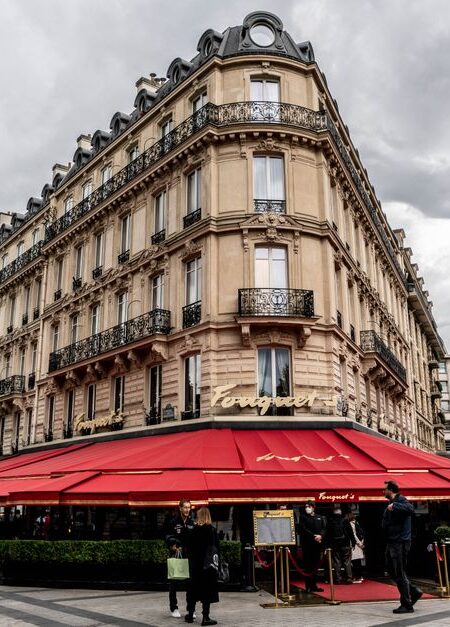






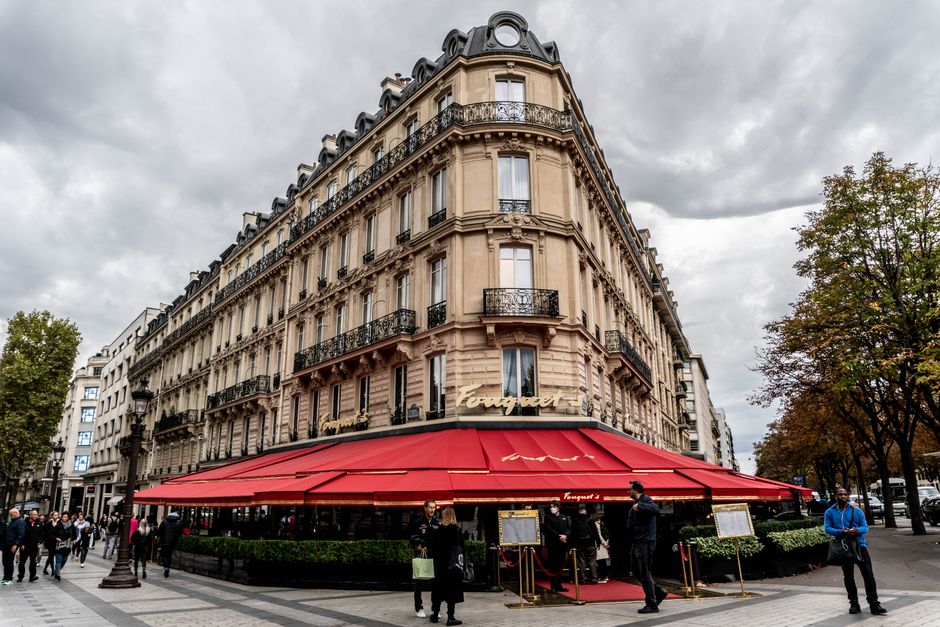
For many years, the restaurant industry has been synonymous with food and hospitality. However, a growing number of high-end establishments are expanding their focus, evolving into comprehensive luxury lifestyle brands.
Expanding Beyond Traditional Dining
Upscale restaurants are increasingly offering more than just meals, incorporating elements such as exclusive merchandise, curated events, and branded experiences. This shift is part of a broader trend where hospitality businesses seek to engage customers through a variety of touchpoints.
“It’s not just about the food anymore,” said a representative from a leading hospitality group. “We’re creating an entire lifestyle around our brand, from home goods to unique experiences our guests can take with them.”
Merchandise and Brand Extensions
Several renowned restaurants have introduced branded products, including kitchenware, apparel, and specialty food items. These offerings allow patrons to bring a piece of the restaurant experience into their own homes, further strengthening brand loyalty.
Some establishments have also launched collaborations with designers and artists, resulting in limited-edition items that appeal to collectors and enthusiasts. These initiatives often generate significant interest and provide additional revenue streams.
Curated Events and Exclusive Experiences
In addition to merchandise, luxury restaurants are hosting private events, pop-up dinners, and immersive experiences. These activities are designed to deepen customer engagement and foster a sense of community among guests.
“Our goal is to offer something memorable that goes beyond a typical night out,” explained an event coordinator at a prominent venue. “Whether it’s a chef’s table dinner or a collaborative tasting event, we want our guests to feel part of something special.”
Adapting to Changing Consumer Preferences
The move toward a lifestyle-oriented approach reflects changing consumer expectations. Customers increasingly seek brands that align with their values and interests, prompting restaurants to diversify their offerings.
Industry analysts note that this strategy can help businesses build resilience by reaching new audiences and reducing reliance on traditional dining revenue. However, they also caution that maintaining quality and authenticity is essential to sustaining long-term success.
Looking Ahead
As the hospitality sector continues to evolve, more restaurants are expected to explore opportunities beyond food service. The integration of merchandise, events, and experiences signals a shift toward a holistic approach to luxury hospitality.

Other Articles

The Rise of ‘Invisible Luxury’ for Travel
Three neighbourhoods perfect for laying low and recharging in the Hamptons