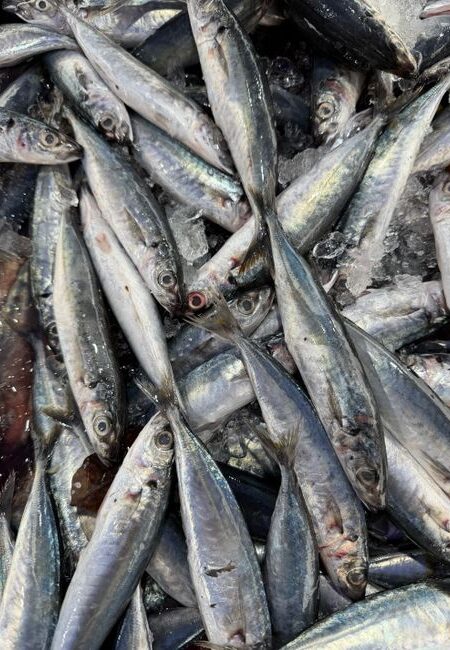





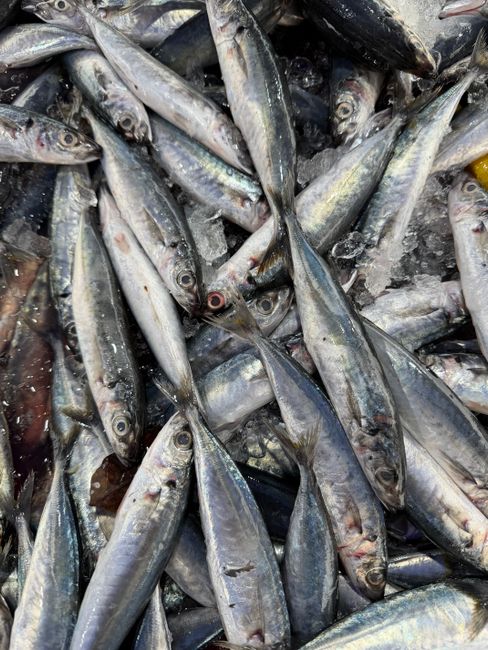
As sardines gain widespread attention on social media platforms, questions arise regarding who stands to benefit most from their newfound popularity. The surge in online interest has led to increased demand, but the impact on those involved in the sardine supply chain remains complex.
Rising Demand Driven by Online Trends
Recent viral videos and posts have propelled sardines into the spotlight, with consumers eager to try the fish featured in trending content. This heightened interest has resulted in a noticeable uptick in sales across various markets. Retailers and distributors report that sardines are selling out more quickly than usual, with some stores struggling to keep up with demand.
Effects on Producers and Local Communities
While the surge in popularity has led to increased sales, the benefits for those at the beginning of the supply chain are less clear. Fishermen and processing workers, who are responsible for catching and preparing sardines, may not see a proportional increase in income. Industry observers note that price fluctuations and supply constraints can limit the positive effects for these groups.
Market Dynamics and Profit Distribution
Analysts point out that profits from the sardine boom are often concentrated among larger distributors and retailers. These entities are better positioned to capitalize on sudden spikes in demand, while smaller producers may face challenges scaling up operations or negotiating higher prices. The distribution of financial gains remains uneven throughout the supply chain.
Environmental and Sustainability Considerations
The rapid increase in sardine consumption has also raised concerns about sustainability. Experts warn that overfishing could threaten sardine populations if demand continues to rise unchecked. Calls for responsible sourcing and adherence to fishing quotas have become more prominent as the industry responds to shifting market dynamics.
Looking Ahead
As sardines continue to trend online, the question of who truly profits remains open. The situation highlights the complexities of global supply chains and the challenges of ensuring equitable outcomes for all participants. Ongoing monitoring and industry collaboration may be necessary to address both economic and environmental impacts.

Other Articles

How to get a refund when your luxury hotel stay goes to the dogs
Le Nusa: From Jakarta’s culinary elite to The Strand