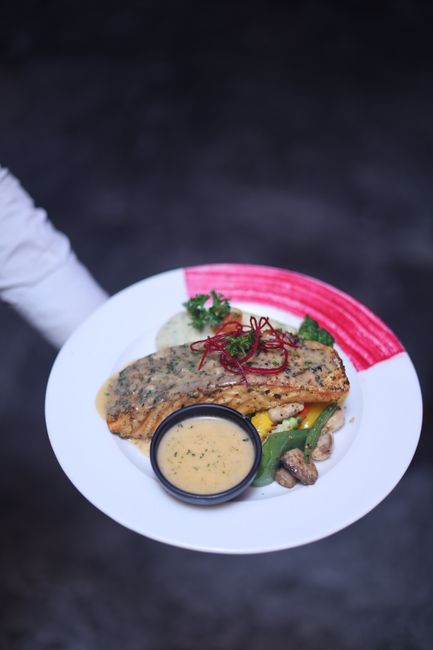






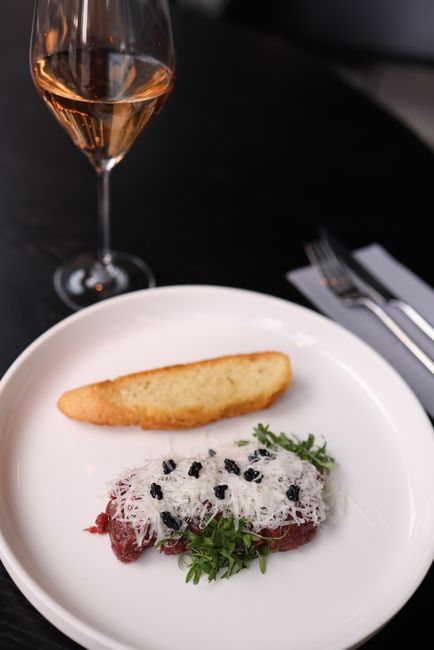
Australian producers are redefining rosé, positioning it as a sophisticated choice for fine dining establishments. Traditionally viewed as a casual summer beverage, rosé is now being crafted with greater complexity and depth, appealing to both sommeliers and chefs seeking versatile wine pairings.
Rosé’s Transformation in Australia
Winemakers across Australia are focusing on elevating the quality of rosé, moving beyond the light, sweet styles that have dominated the market. According to industry experts, there is a growing demand for rosé wines that offer structure, balance, and the ability to complement a wide range of dishes.
“We’re seeing more interest in rosé with texture and savoury notes,” said a leading Australian winemaker. “These wines can stand up to richer foods, making them suitable for fine dining menus.”
Winemaking Techniques and Regional Influence
Producers are experimenting with grape varieties and winemaking methods to achieve more nuanced rosé styles. Regions such as the Yarra Valley, Adelaide Hills, and Margaret River are gaining recognition for their distinctive rosé offerings, each reflecting local terroir and climate.
Some winemakers are using techniques like barrel fermentation and extended skin contact to add complexity and depth. These methods result in rosés with greater body and flavor, setting them apart from traditional lighter versions.
Rosé on Restaurant Wine Lists
Restaurants are increasingly featuring premium Australian rosé on their wine lists. Sommeliers note that these wines pair well with a variety of cuisines, from seafood to poultry and even spiced dishes. The versatility of modern rosé makes it an appealing option for chefs aiming to create dynamic food and wine pairings.
“Rosé offers a bridge between white and red wines, allowing for creative matches with food,” a sommelier explained. “The new wave of Australian rosé is changing perceptions in the dining scene.”
Market Growth and Consumer Trends
Sales data indicates a steady rise in demand for higher-quality rosé in Australia. Consumers are showing increased interest in wines that offer complexity and can be enjoyed year-round, not just during warmer months.
Industry analysts predict that the trend toward premium rosé will continue as both winemakers and consumers seek more refined options. The evolution of Australian rosé reflects broader shifts in wine preferences and dining culture.
Further Reading