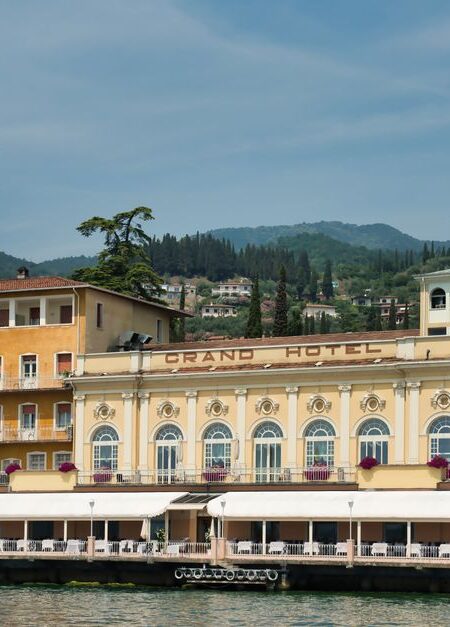





An Indian environmental campaigner has been sentenced to prison after challenging the development of a luxury hotel in Goa, a popular tourist destination. The case has drawn attention to the ongoing conflict between conservation efforts and commercial interests in the region.
Background of the Dispute
In 2018, activist Saket Gokhale raised concerns about the construction of a luxury hotel by a prominent hospitality group along Goa’s coastline. Gokhale alleged that the project violated environmental regulations and threatened the area’s fragile ecosystem. The hotel, located near a protected stretch of beach, became the focus of protests and legal challenges led by local residents and environmental advocates.
Legal Proceedings and Sentencing
Authorities arrested Gokhale in 2022, charging him with criminal defamation and other offenses related to his public statements and actions against the hotel project. After a trial, a court found him guilty and sentenced him to six months in prison. Gokhale’s legal team has announced plans to appeal the verdict, maintaining that his actions were in defense of the environment and public interest.
Reactions from Supporters and Officials
Supporters of Gokhale have described the sentence as an attempt to silence dissent and discourage activism. Environmental groups have expressed concern that the ruling could set a precedent for future cases involving conservation efforts. Government officials, however, have stated that the legal process was followed and that all parties had the opportunity to present their arguments in court.
Broader Implications for Conservation in Goa
The case has highlighted the ongoing debate over development and environmental protection in Goa, where tourism is a major source of revenue. Critics argue that unchecked construction threatens the state’s natural resources, while proponents of development emphasize the need for economic growth and job creation. The outcome of Gokhale’s appeal is expected to be closely watched by both activists and industry representatives.
For further information, visit the original report at this link.

Other Articles