





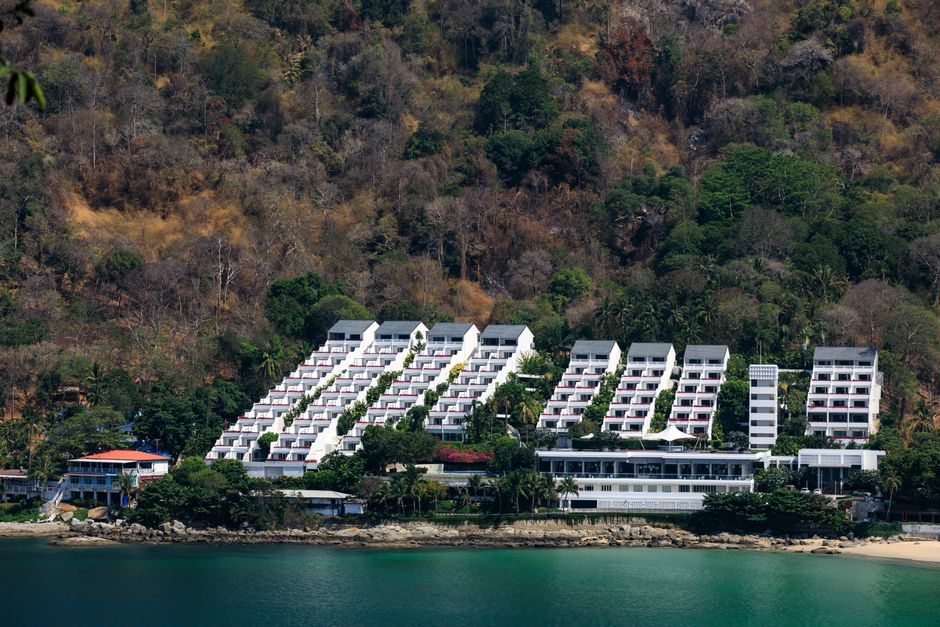
For many travelers in Asia, the concept of owning a hotel-managed residence is gaining popularity, offering a blend of private ownership with the amenities and services of a luxury hotel. This trend is influencing the landscape of high-end travel across the region.
Growth of Branded Residences in Asia
Hotel-managed residences, also known as branded residences, have seen notable expansion in Asia. According to a report by Knight Frank, the number of branded residences globally increased by 150% over the past decade, with Asia-Pacific emerging as a key market. Cities such as Bangkok, Singapore, and Bali have become prominent destinations for these developments.
Combining Ownership and Hospitality
Branded residences allow buyers to purchase a property that is managed by a well-known hotel group. Owners benefit from access to hotel services, including housekeeping, concierge, and dining, while enjoying the privacy of a personal residence. This model appeals to individuals seeking both investment opportunities and a luxurious lifestyle.
Market Drivers and Buyer Preferences
Industry experts attribute the rise in demand to several factors. “Buyers are attracted to the convenience and prestige associated with established hotel brands,” said Victoria Garrett, head of residential at Knight Frank Asia-Pacific. She noted that the assurance of quality and maintenance is a significant draw for investors and end-users alike.
Many purchasers are international buyers or expatriates looking for a second home or a secure investment. The flexibility to use the residence for personal stays or to rent it out through the hotel’s management system adds to the appeal.
Notable Developments and Future Prospects
Major hotel groups such as Marriott International, Four Seasons, and Accor have launched branded residence projects in various Asian cities. These developments often feature exclusive amenities, including private pools, fitness centers, and dedicated staff.
According to Knight Frank, the pipeline for branded residences in Asia-Pacific remains robust, with new projects planned in emerging markets. The sector is expected to continue growing as more travelers seek personalized and secure luxury experiences.
Challenges and Considerations
While the market is expanding, there are challenges to consider. Regulatory differences across countries, varying ownership structures, and the need for ongoing management quality are factors that buyers must evaluate. Experts advise potential purchasers to carefully review contracts and management agreements before investing.
Conclusion
The rise of hotel-managed residences is reshaping luxury travel in Asia, offering a unique combination of private ownership and five-star hospitality. As demand continues to grow, industry observers anticipate further innovation and expansion in this sector.

Other Articles

Bar Review: L’Antiquario Napoli, Naples in Italy