





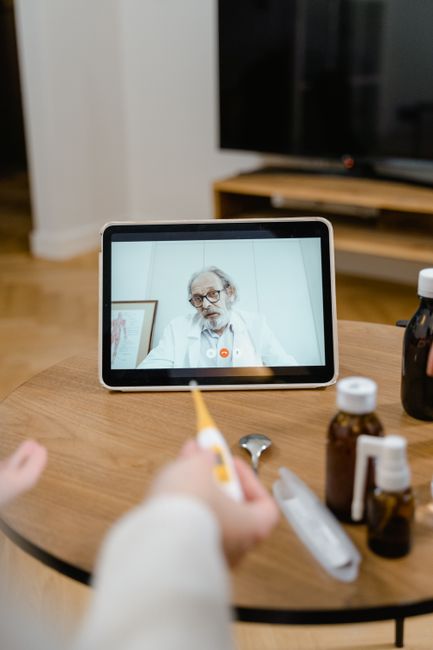
Telemedicine is increasingly being regarded as the pinnacle of luxury healthcare in 2026, as affluent patients seek personalized medical services that offer both convenience and exclusivity. The growing demand for remote consultations and tailored care is reshaping the healthcare landscape, with telemedicine platforms catering to clients who prioritize privacy and flexibility.
Growth in High-End Telemedicine Services
In 2026, telemedicine has evolved beyond its initial role as a solution for remote or underserved communities. It now serves a clientele that values immediate access to top-tier medical professionals. According to industry observers, the expansion of high-end telemedicine offerings is driven by patients who expect on-demand appointments and comprehensive care without the need to visit traditional clinics.
Personalized Care and Advanced Technology
Luxury telemedicine providers are leveraging advanced technology to deliver highly personalized healthcare experiences. Features such as secure video consultations, digital health monitoring, and direct communication with specialists are standard in these services. Patients can access medical advice, prescriptions, and follow-up care from the comfort of their homes or while traveling, reflecting a shift in expectations for healthcare delivery.
Market Trends and Patient Preferences
Market analysts note that the rise of telemedicine as a luxury service is closely linked to broader trends in consumer behavior. Patients are increasingly willing to invest in healthcare solutions that align with their lifestyles. The preference for remote consultations is particularly strong among individuals who value discretion and efficiency, further fueling the growth of premium telemedicine platforms.
Implications for the Healthcare Sector
The emergence of telemedicine as a luxury healthcare option is prompting traditional providers to adapt their services. Hospitals and clinics are integrating digital health solutions to meet the expectations of a changing patient base. Experts suggest that this trend will continue to influence the structure of healthcare delivery in the coming years.