





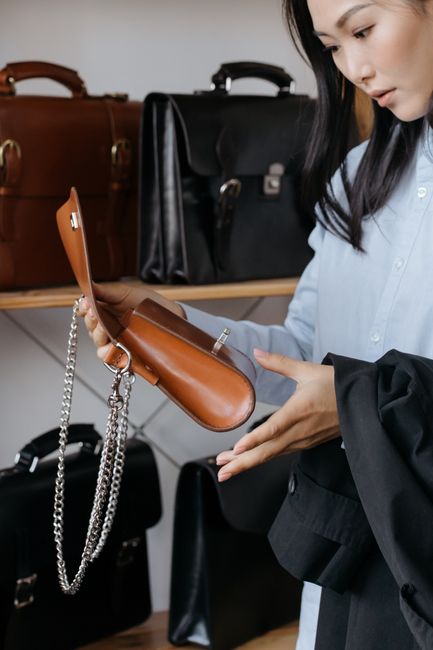
For decades, France has been renowned for its luxury leather goods, with major brands such as Hermès, Louis Vuitton, and Chanel dominating the market. However, a new generation of independent designers is now quietly reviving traditional craftsmanship and offering alternatives to established names.
Emergence of New Talent
In recent years, a number of small-scale French designers have gained recognition for their dedication to artisanal techniques. These creators often focus on limited production runs and emphasize the use of high-quality materials. Their approach contrasts with the mass production methods employed by larger luxury houses.
Focus on Craftsmanship
Many of these independent designers prioritize traditional skills, often working with local artisans to produce handcrafted pieces. This renewed interest in craftsmanship is seen as a response to growing consumer demand for authenticity and transparency in the luxury sector.
Market Response and Consumer Trends
According to industry observers, customers are increasingly seeking unique items that reflect personal style rather than mass-market appeal. This trend has provided opportunities for independent brands to attract a clientele interested in exclusivity and sustainability.
Challenges and Opportunities
Despite their growing popularity, independent designers face significant challenges, including limited resources and competition from established luxury brands. However, some have managed to carve out a niche by leveraging digital platforms and direct-to-consumer sales models.
Looking Ahead
As the market for luxury leather goods continues to evolve, the presence of independent French designers is expected to grow. Their commitment to craftsmanship and innovation is contributing to a quiet revival within the industry.