




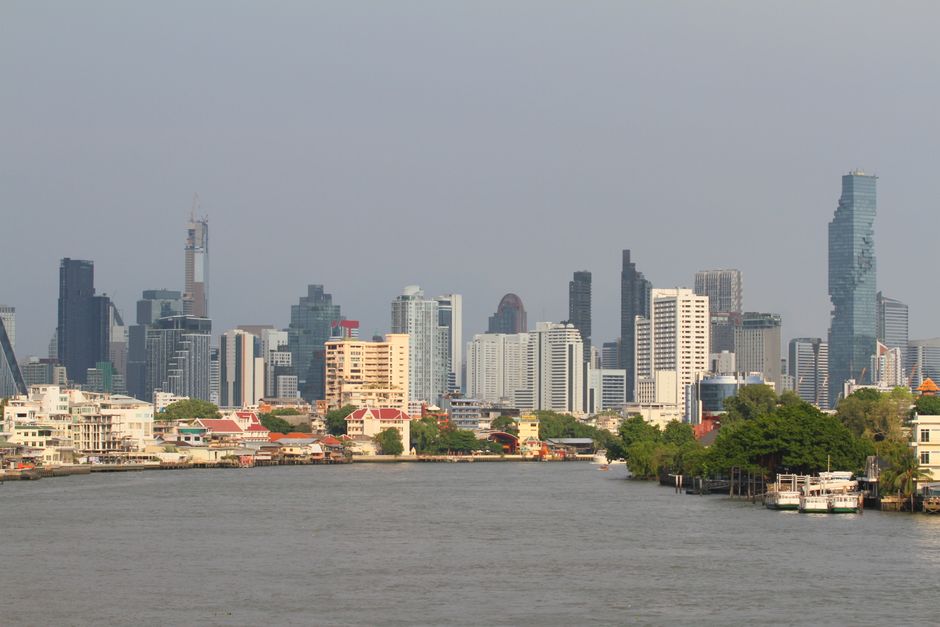
Bangkok has been ranked among the world’s ten most expensive cities for luxury living for the first time, according to a recent report. The Thai capital now stands alongside cities such as Singapore, Hong Kong, and London in terms of high-end lifestyle costs.
Bangkok’s Debut in the Global Luxury Index
The latest findings were published in the Julius Baer Global Wealth and Lifestyle Report 2024, which evaluates the cost of luxury goods and services in major cities worldwide. Bangkok’s entry into the top 10 marks a significant shift, reflecting rising prices in the city’s luxury sector.
Key Findings from the Report
The report assesses the prices of items and services including residential property, fine dining, business class flights, and luxury cars. According to the 2024 edition, Singapore retained its position as the most expensive city for luxury living, followed by Hong Kong and London.
Bangkok’s inclusion in the top 10 is attributed to increased demand and higher prices for luxury goods and services in the city. The report notes that the cost of fine dining, premium real estate, and high-end automobiles in Bangkok has risen notably over the past year.
Global Rankings and Regional Trends
Other cities featured in the top 10 include Shanghai, Monaco, Dubai, New York, Paris, and Milan. The report highlights that Asian cities continue to dominate the rankings, with four of the top five cities located in the region.
Julius Baer’s analysis indicates that inflation, currency fluctuations, and changing consumer preferences have all contributed to shifting costs in the luxury market. The report also points out that demand for luxury experiences and products remains strong in Asia, despite global economic uncertainties.
Outlook for Luxury Living Costs
The report suggests that the cost of luxury living is likely to remain high in leading cities, driven by ongoing demand and limited supply in key sectors. Bangkok’s rise in the rankings signals a growing appetite for luxury in Thailand’s capital, as well as broader economic trends affecting the region.

Other Articles