




Rising food prices in West Africa are prompting concerns that a traditional staple dish, commonly enjoyed in Nigeria and Ghana, is becoming increasingly unaffordable for many households.
Escalating Costs of a Traditional Dish
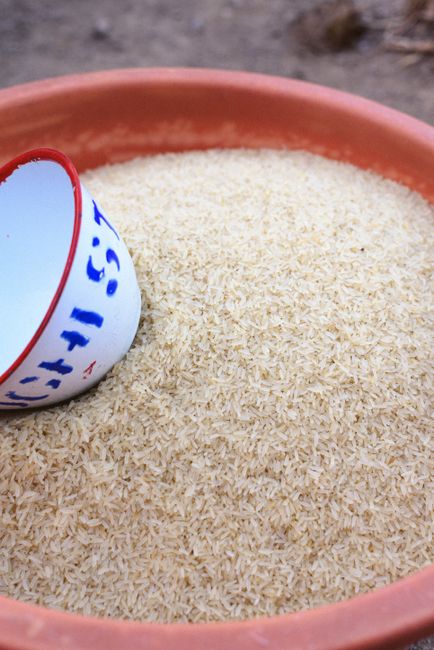
Jollof rice, a popular meal made from rice, tomatoes, and spices, has long been a dietary mainstay in both Nigeria and Ghana. However, recent economic challenges have led to significant increases in the cost of its core ingredients. According to local vendors, the price of rice has nearly doubled over the past year, while the cost of tomatoes and cooking oil has also surged.
Impact on Households
Many families are now finding it difficult to prepare jollof rice as frequently as before. “We used to cook jollof rice every Sunday, but now we can only afford it on special occasions,” said a resident in Lagos. In Accra, another shopper noted, “The price of rice is just too high. We have to look for alternatives.”
Economic Factors Driving Price Increases
Analysts attribute the rising prices to a combination of inflation, currency depreciation, and disruptions in the supply chain. In Nigeria, inflation reached 22.4% in May, according to the National Bureau of Statistics. Ghana has also experienced double-digit inflation, with food prices being a major contributor.
Vendors and Consumers Adjusting
Market traders report that customers are buying smaller quantities of rice and other ingredients. Some vendors have reduced the portion sizes of prepared jollof rice sold at food stalls to accommodate shrinking budgets. “People still want to eat jollof rice, but they cannot buy as much as they used to,” said a market seller in Kumasi.
Government Response
Authorities in both countries have acknowledged the pressure on food prices and have introduced measures aimed at stabilizing the market. In Nigeria, the government has announced plans to support local rice production, while Ghana has implemented subsidies for certain agricultural inputs.
Outlook for the Staple Meal
Despite these efforts, many families remain concerned about the affordability of jollof rice. As prices continue to rise, what was once a common meal is increasingly reserved for special occasions, raising questions about food security in the region.

Other Articles