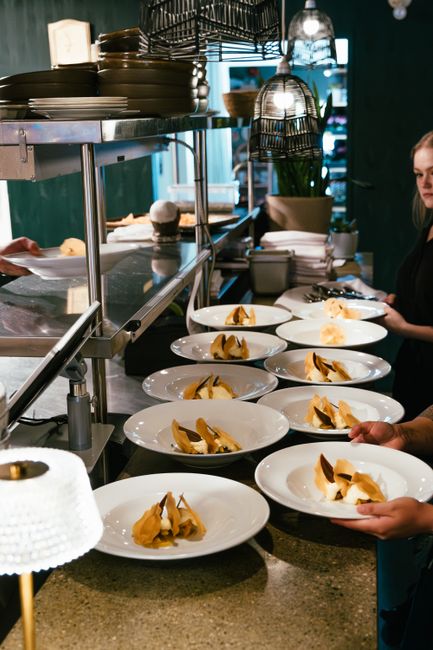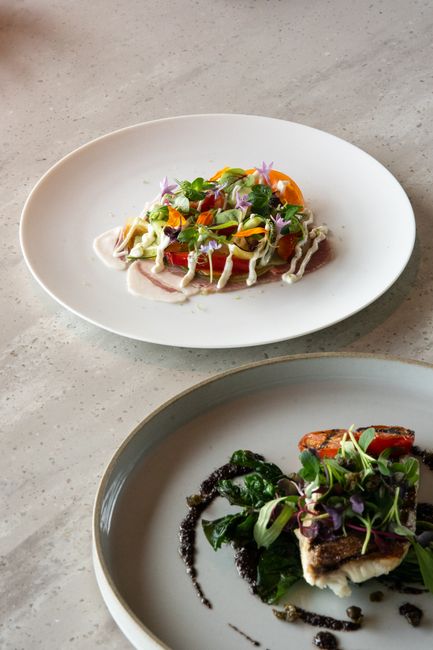






Throughout history, certain foods have been associated with opulence and exclusivity, often reserved for special occasions or the elite. These dishes and ingredients are recognized worldwide as symbols of indulgence and high-end dining.
Defining Gourmet Excellence
From rare delicacies sourced from remote regions to dishes that require meticulous preparation, the following foods are widely regarded as the epitome of culinary luxury. Their reputations are built on scarcity, tradition, and the craftsmanship involved in their creation.
List of Iconic Luxury Foods
- Caviar: Harvested from sturgeon, caviar is prized for its delicate flavor and texture, often served as a garnish or on its own.
- White Truffles: Sourced mainly from Italy, white truffles are celebrated for their intense aroma and are typically shaved over pasta or eggs.
- Kobe Beef: Known for its marbling and tenderness, Kobe beef comes from a specific breed of cattle raised in Japan under strict regulations.
- Foie Gras: This French delicacy is made from the liver of specially fattened ducks or geese and is valued for its rich, buttery taste.
- Bluefin Tuna: Highly sought after for sushi and sashimi, bluefin tuna is considered a luxury due to its flavor and declining populations.
- Matsutake Mushrooms: These rare mushrooms are native to Japan and are known for their spicy aroma and high price.
- Alba White Truffles: Found in the Alba region of Italy, these truffles are among the most expensive foods in the world.
- Saffron: The world’s most costly spice, saffron is derived from the stigma of crocus flowers and used in a variety of dishes.
- Oysters: Once considered food for the poor, oysters are now a staple of luxury dining, especially when served raw on the half shell.
- Lobster: This shellfish is associated with fine dining and is typically served steamed or grilled.
- Beluga Caviar: Sourced from the beluga sturgeon, this caviar is notable for its large, delicate eggs and high price.
- Jamón Ibérico: Produced in Spain, this cured ham is made from acorn-fed Iberian pigs and aged for several years.
- Bird’s Nest Soup: Made using edible nests from swiftlets, this Chinese delicacy is prized for its texture and rarity.
- Fugu: Prepared from pufferfish, fugu is a Japanese specialty that requires skilled chefs due to its potential toxicity.
- Almas Caviar: This rare variety of caviar comes from Iranian albino sturgeon and is sold in gold tins.
- Wagyu Beef: Similar to Kobe, Wagyu beef is known for its marbling and is produced in several regions of Japan.
- King Crab: Sought after for its sweet, tender meat, king crab is often featured in high-end seafood dishes.
Global Influence and Enduring Appeal
These foods have become synonymous with luxury dining across cultures and continents. Whether enjoyed in exclusive restaurants or at private gatherings, they continue to represent the pinnacle of gourmet cuisine.

Other Articles


Next
Previous