



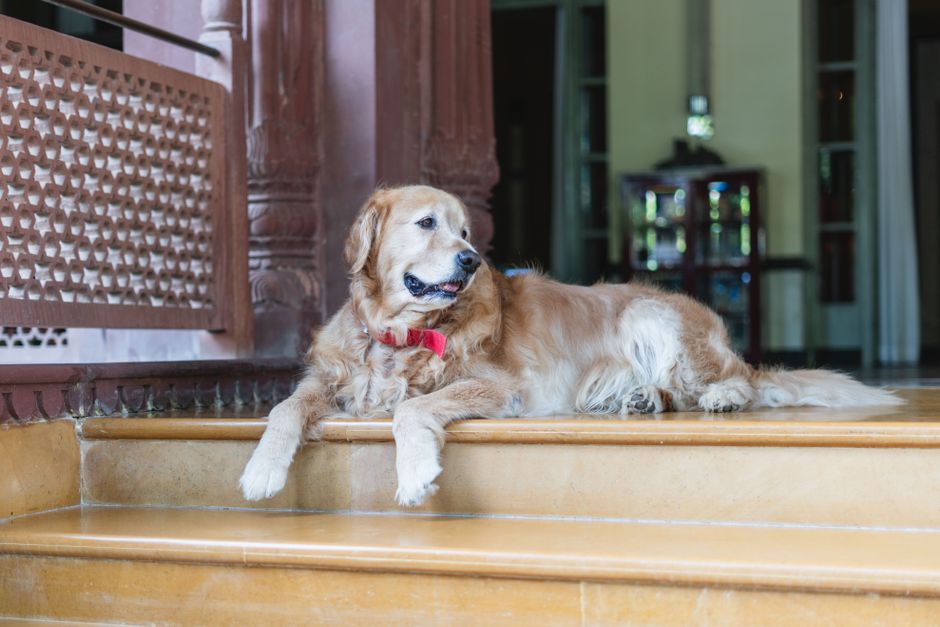
Recent trends indicate that a demographic known as “Dinkwads”—dual income, no kids, with a dog—are significantly contributing to increased spending on premium pet travel and hotel services.
Rising Demand for Upscale Pet Services
According to industry analysts, Dinkwads are driving demand for high-end pet accommodations and travel experiences. This group, characterized by couples with two incomes, no children, and at least one dog, is reportedly willing to allocate a substantial portion of their disposable income toward their pets’ comfort and well-being.
“We’re seeing a notable uptick in bookings for luxury pet hotels and specialized travel arrangements,” said a spokesperson for a leading pet hospitality provider. “Many clients are seeking amenities such as gourmet meals, spa treatments, and personalized care for their dogs.”
Market Expansion and Industry Response
Pet hospitality businesses are responding by expanding their offerings to cater to this growing clientele. Several companies have introduced exclusive suites, on-site veterinary care, and curated activity schedules designed for canine guests.
Industry data shows that spending on luxury pet travel and accommodation has risen steadily over the past year. Market research firms attribute much of this growth to the Dinkwad demographic, whose spending habits are reshaping the sector.
Travel Trends and Preferences
Travel agencies and hotels report that Dinkwads frequently seek pet-friendly destinations and are prepared to pay premiums for services that accommodate their dogs. Many establishments now offer packages that include dog walking, grooming, and transportation services.
“Our guests increasingly expect the same level of service for their pets as they do for themselves,” noted a manager at a boutique hotel chain. “We’ve adapted our offerings to ensure both owners and their dogs have a comfortable and enjoyable stay.”
Industry Outlook
Analysts predict that the influence of Dinkwads on luxury pet travel and hotel spending will continue to grow. Companies in the sector are expected to further innovate and expand their services to meet evolving customer expectations.

Other Articles

Luxury Hotels Have a New VIP Guest: Your Dog