





Namibia’s tourism sector has seen significant growth in recent years, with luxury travel experiences drawing visitors from around the world. The country’s colonial past, however, continues to influence both the landscape and the way tourism is developed and marketed.
Historical Context and Its Influence
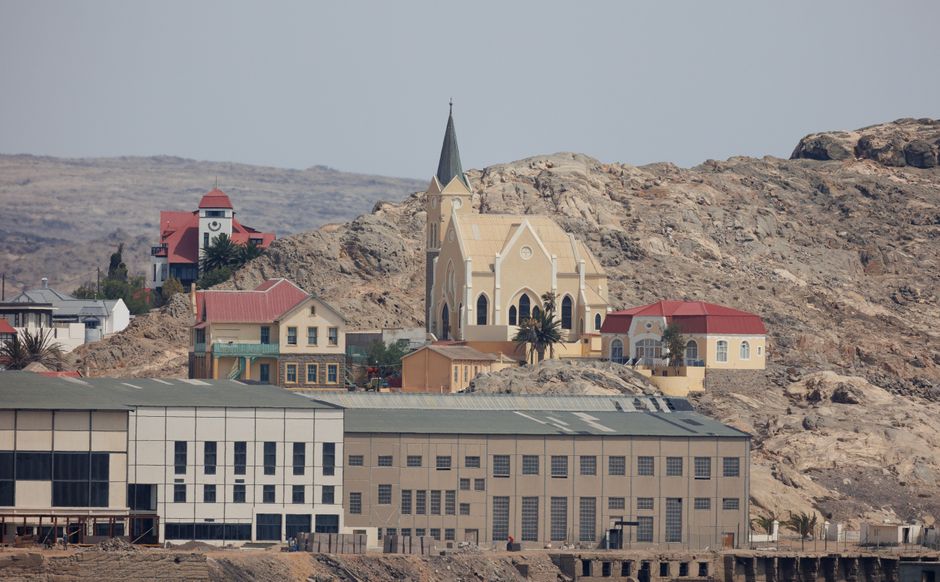
Namibia, once a German colony and later administered by South Africa, gained independence in 1990. The legacy of colonialism remains visible in the architecture, land ownership patterns, and the structure of the tourism industry. Many of the country’s luxury lodges and safari experiences are situated on former colonial farms and estates, some of which are still owned or managed by descendants of European settlers.
Luxury Tourism and Land Ownership
High-end tourism offerings in Namibia often highlight exclusive access to vast private reserves and wildlife experiences. These properties, frequently located on land acquired during the colonial era, cater to international travelers seeking privacy and comfort. While the sector brings economic benefits and employment opportunities, questions persist regarding the distribution of profits and the representation of local communities in the industry.
Community Involvement and Economic Impact
Efforts have been made to involve local communities in tourism ventures, including community-run conservancies and joint partnerships with private operators. These initiatives aim to ensure that tourism revenue supports conservation efforts and benefits Namibians living near popular destinations. Despite these measures, disparities in ownership and decision-making remain a subject of ongoing discussion.
Preserving Heritage and Moving Forward
Namibia’s government and tourism authorities continue to promote the country as a premier destination for luxury travel, emphasizing its unique landscapes and wildlife. At the same time, there is growing recognition of the need to address historical inequalities and foster more inclusive participation in the industry. The balance between preserving heritage and creating equitable opportunities for all Namibians remains central to the sector’s future development.
For further information, visit the original article at this link.