





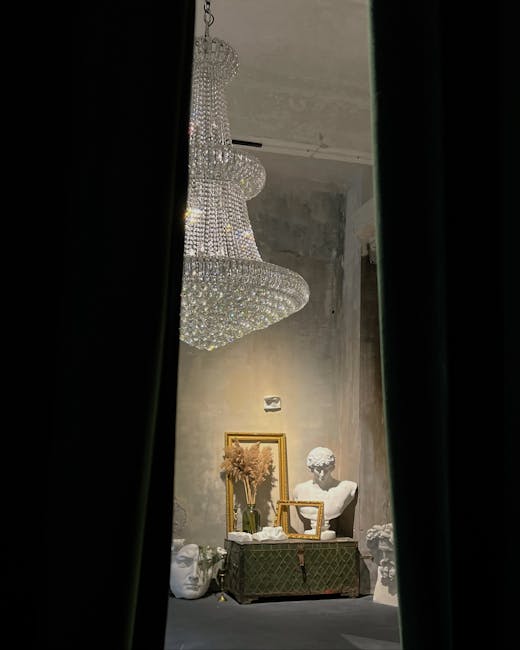
Throughout history, the pursuit of luxury status has been a defining element of human society, with evidence of this phenomenon found in civilizations dating back thousands of years. The desire to display wealth and social standing through material possessions is not a modern trend, but rather an enduring aspect of cultural expression.
Historical Roots of Luxury
Archaeological discoveries indicate that ancient societies placed significant value on luxury goods. Artifacts such as ornate jewelry, intricately designed pottery, and lavish garments have been uncovered in burial sites and ruins across the globe. These items often served as symbols of power and prestige, distinguishing the elite from the general population.
Luxury as a Social Marker
In many cultures, luxury objects were used to communicate status and identity. For example, in ancient Egypt, gold and precious stones adorned the tombs of pharaohs, while in Imperial China, silk garments and jade ornaments signified rank within the royal court. Such displays were not merely for personal enjoyment, but functioned as public statements of influence and authority.
The Evolution of Status Symbols
Over time, the forms and meanings of luxury status have evolved. In medieval Europe, sumptuary laws regulated who could wear certain fabrics or colors, reinforcing social hierarchies through fashion. During the Renaissance, patronage of the arts became another avenue for demonstrating affluence, with wealthy individuals commissioning paintings, sculptures, and architecture to showcase their prominence.
Modern Interpretations of Luxury
Today, luxury status continues to manifest in various ways, from designer clothing and high-end automobiles to exclusive experiences and digital assets. While the specific symbols may change, the underlying impulse to distinguish oneself through luxury remains consistent. Contemporary brands often draw inspiration from historical motifs, reinforcing the connection between past and present expressions of status.
Continuity Across Cultures
The enduring nature of luxury status highlights its significance as a form of artistic and social communication. Whether through ancient artifacts or modern design, the display of luxury serves as a universal language, reflecting both individual aspirations and collective values.
For further reading, visit the original article at this link.