



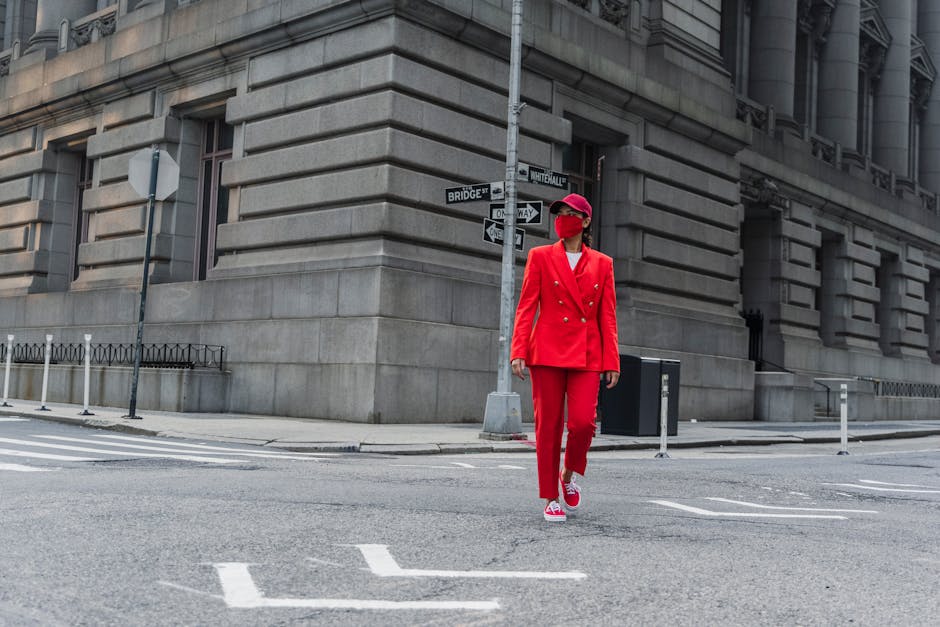
For the fashion industry, the 2020s have been marked by significant transformation, influenced by global events, major acquisitions, and shifting consumer preferences. The decade began with the onset of the COVID-19 pandemic, which disrupted traditional retail models and altered how people engage with fashion. As the world adapted to new realities, a $5.8 billion acquisition and the emergence of the “quiet luxury” trend further reshaped the industry’s landscape.
Pandemic Alters Fashion’s Course
The COVID-19 pandemic, which began in early 2020, forced the closure of stores worldwide and led to the cancellation of fashion shows and events. Designers and brands quickly pivoted to digital platforms, with virtual runways and online showrooms becoming the norm. Consumers, spending more time at home, shifted their focus from formalwear to comfortable, casual clothing. This change in demand influenced designers to prioritize loungewear, athleisure, and versatile basics in their collections.
A $5.8 Billion Acquisition Reshapes the Industry
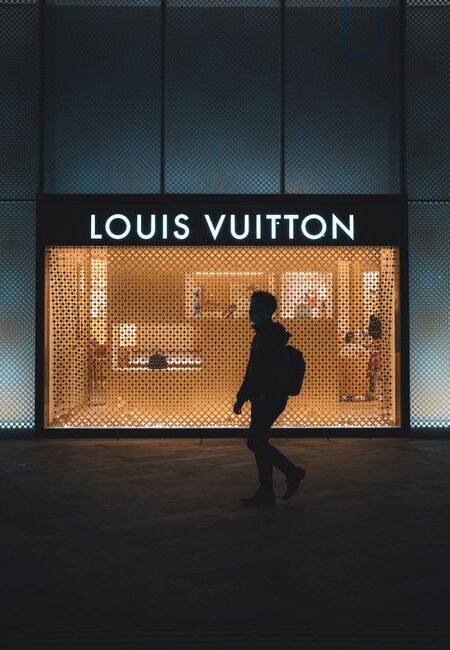
In 2021, the fashion world witnessed a major development when a leading luxury conglomerate completed a $5.8 billion acquisition of a renowned American jewelry brand. This deal, one of the largest in the sector’s history, signaled a new era of consolidation among luxury houses. The acquisition was seen as a strategic move to strengthen the conglomerate’s presence in the North American market and diversify its portfolio. Industry analysts noted that the deal could influence future mergers and acquisitions within the fashion and luxury sectors.
The Quiet Luxury Movement Gains Momentum
As the decade progressed, the concept of “quiet luxury” began to gain traction among consumers and designers alike. This trend emphasizes understated elegance, high-quality materials, and timeless design over conspicuous branding and logos. The movement reflects a broader shift in consumer values, with many seeking longevity and subtle sophistication in their wardrobes. Designers responded by focusing on craftsmanship and classic silhouettes, while retailers highlighted investment pieces that could endure beyond seasonal trends.
Looking Ahead
The fashion industry continues to evolve as it responds to ongoing global challenges and changing consumer expectations. The effects of the pandemic, major acquisitions, and the rise of quiet luxury are likely to influence the direction of fashion for years to come. As brands adapt to new realities, the 2020s may be remembered as a period of profound change and innovation within the industry.