





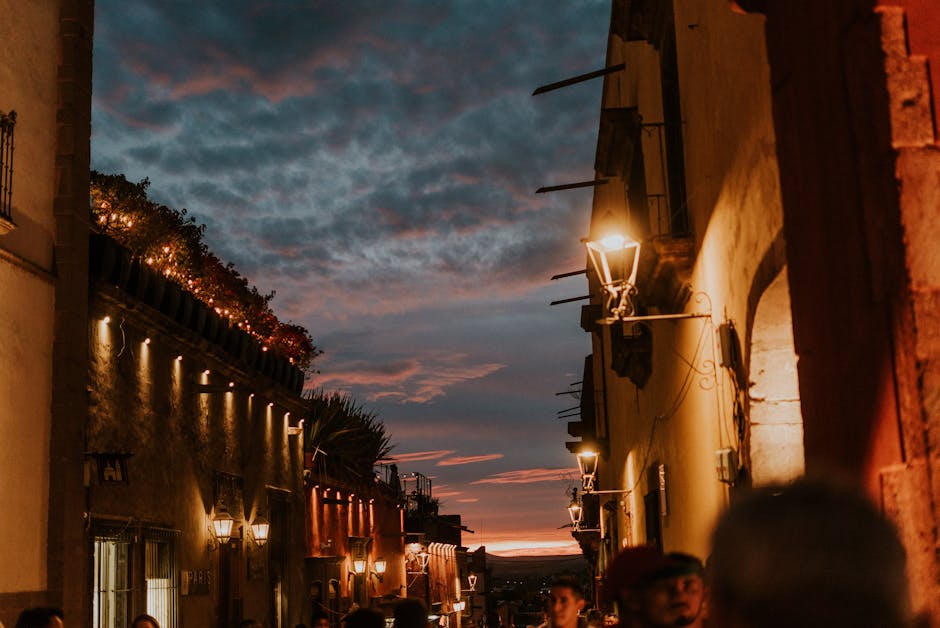
San Miguel de Allende, a UNESCO World Heritage site in central Mexico, has seen its hotels transform into key gathering places for both residents and visitors. The city, known for its colonial architecture and vibrant arts scene, has experienced a shift in its social landscape, with hotels now serving as central venues for cultural and social events.
Hotels as Gathering Places
In recent years, hotels in San Miguel de Allende have become prominent locations for social interaction. These establishments host a variety of events, including art exhibitions, live music performances, and culinary festivals. The trend has attracted both locals and tourists, who frequent these venues for their unique atmospheres and programming.
Historical and Cultural Appeal
The city’s hotels often occupy restored colonial buildings, adding historical significance to their role as social spaces. Many of these properties feature courtyards, rooftop terraces, and gardens, which provide settings for gatherings and events. The blend of architectural heritage and modern amenities has contributed to their popularity as social destinations.
Community Engagement and Events
Hotel managers report that their properties regularly host community events, such as charity fundraisers, art openings, and culinary workshops. These activities are designed to engage both residents and visitors, fostering a sense of community within the city. According to local business owners, the hotels’ involvement in cultural programming has strengthened ties between the hospitality sector and the broader community.
Impact on Local Economy
The increased activity at hotels has had a positive effect on San Miguel de Allende’s economy. Local artisans, musicians, and chefs often collaborate with hotels, gaining exposure and business opportunities. The influx of visitors attending hotel-hosted events has also benefited nearby restaurants, shops, and galleries.
Looking Ahead
As San Miguel de Allende continues to attract international attention, its hotels are expected to maintain their status as central venues for social and cultural life. Industry observers note that the integration of local culture and hospitality has become a defining feature of the city’s appeal.