





For many diners, selecting a bottle of wine at an upscale restaurant can be a daunting experience. The process often involves navigating extensive wine lists, deciphering unfamiliar terminology, and interacting with knowledgeable sommeliers. However, with some preparation and understanding of the basics, guests can confidently choose a wine that enhances their meal.
Understanding the Wine List
Wine menus at fine-dining venues can be lengthy and complex, often organized by region, grape variety, or style. According to sommeliers, it is helpful to take a moment to review the list and identify any familiar producers or regions. If the selection appears overwhelming, staff members are available to offer recommendations based on personal preferences and the dishes being ordered.
Communicating Preferences
Experts suggest that guests should communicate their taste preferences, budget, and the type of food they plan to order. “Let the sommelier know what you like, whether it’s a full-bodied red or a crisp white,” one wine director explained. Providing a price range can also help the sommelier suggest suitable options without making guests feel uncomfortable about cost.
Interacting with the Sommelier
When approached by the sommelier, diners are encouraged to ask questions and seek advice. Sommeliers are trained to guide guests through the selection process and can recommend bottles that pair well with specific menu items. They may also suggest lesser-known wines that offer good value or unique flavor profiles.
Tasting and Approving the Wine
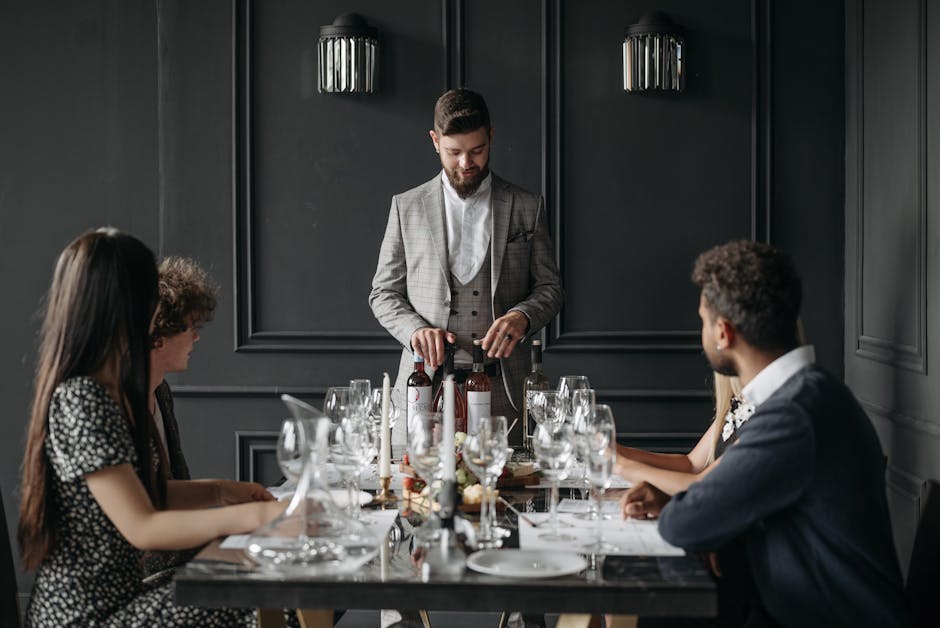
After a bottle is selected, the sommelier will present it to the table for approval. This step allows diners to confirm that the correct wine has been brought. Once opened, a small amount is poured for tasting. The purpose of this taste is to check for faults, such as cork taint, rather than to determine personal preference. If the wine is flawed, guests should politely inform the sommelier, who will address the issue.
Wine Service Etiquette
Proper etiquette during wine service includes allowing the sommelier to pour the first taste and waiting for all guests to be served before drinking. It is customary to hold the glass by the stem to avoid warming the wine with one’s hand. If additional bottles are needed, diners can request the same wine or ask for new recommendations as the meal progresses.
Enhancing the Dining Experience
Choosing the right wine can elevate the flavors of a meal and contribute to a memorable dining experience. With open communication and a willingness to explore new options, guests can enjoy the process of selecting wine at a fine-dining restaurant.
For further information, visit the original article at this link.