





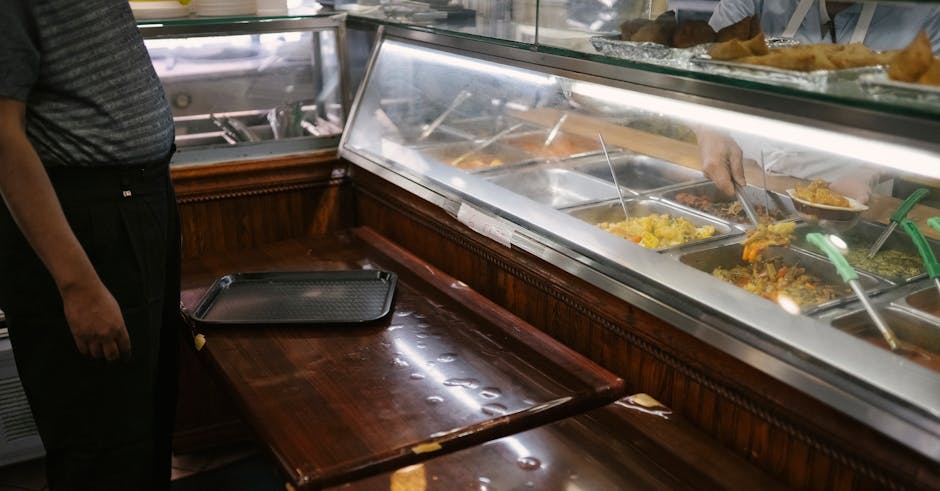
Prepared foods, such as rotisserie chickens, deli salads, and ready-to-eat meals, have become a staple for many individuals and families seeking convenience. However, for some, these items remain out of reach due to restrictions on government assistance programs.
Prepared Foods and Accessibility
Current regulations prevent recipients of the Supplemental Nutrition Assistance Program (SNAP) from purchasing hot or prepared foods with their benefits. This policy is based on the premise that SNAP should only cover foods intended for home preparation and consumption. As a result, people who rely on SNAP are unable to buy items like rotisserie chickens or deli meals, even though these foods are available at most grocery stores.
Impact on Households
For individuals with limited mobility, demanding work schedules, or those experiencing homelessness, the inability to purchase prepared foods can create significant challenges. Advocates argue that this restriction disproportionately affects people who may not have the means, time, or facilities to cook meals from scratch.
Policy Discussions and Proposals
Some lawmakers and advocacy organizations are calling for changes to SNAP regulations to allow the purchase of prepared foods. They contend that expanding eligibility would help address food insecurity and provide greater flexibility for those in need. Opponents of this change cite concerns about cost and the original intent of the program.
Ongoing Debate
The discussion continues as policymakers weigh the benefits and drawbacks of modifying SNAP rules. The debate centers on whether prepared foods should be considered a necessity for all, rather than a luxury accessible only to some.
For further information, visit the original article at this link.

Other Articles

Treadwell Mansion Boutique Hotel photo tour
Oceania Cruises Unveils Holiday and New Year Voyages