





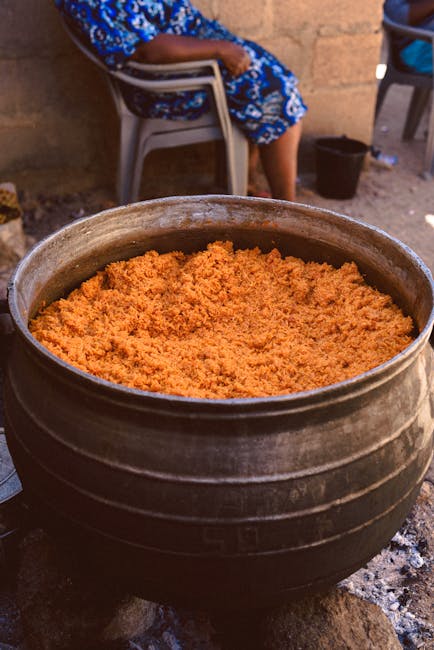
Jollof rice, once a common and affordable dish in Nigeria, has become increasingly expensive, making it less accessible to many households. The traditional meal, which has long been a staple at family gatherings and celebrations, now faces rising costs that are impacting its role in daily life.
Escalating Prices Affect Accessibility
In recent years, the price of jollof rice ingredients has surged, with many Nigerians finding it difficult to afford the dish as frequently as before. Essential components such as rice, tomatoes, onions, and cooking oil have all seen significant price increases. According to local vendors, the cost of rice alone has more than doubled in the past year.
“Jollof rice used to be a meal we could prepare any day,” said Lagos resident Chika Okafor. “Now, it feels like a luxury reserved for special occasions.”
Impact on Households and Vendors
The rising costs have not only affected families but also food vendors and restaurants. Many small businesses report a decline in sales as customers opt for less expensive alternatives. Some vendors have reduced portion sizes or adjusted their menus to cope with the higher expenses.
“We have had to increase our prices, but customers are not happy,” explained food vendor Amina Yusuf. “Some have stopped buying jollof rice altogether.”
Economic Factors Behind the Increase
Multiple factors contribute to the price hikes, including inflation, currency fluctuations, and disruptions in the supply chain. The depreciation of the naira has made imported goods, such as rice, more costly. Additionally, local farmers have faced challenges due to flooding and insecurity, further limiting supply.
Market analysts note that these economic pressures are likely to persist, making it difficult for prices to return to previous levels in the near future.
Cultural Significance Remains Strong
Despite the rising costs, jollof rice continues to hold cultural importance in Nigeria. The dish is often featured at weddings, birthdays, and other celebrations, symbolizing unity and festivity. Many Nigerians express hope that the situation will improve so that jollof rice can once again be enjoyed regularly by families across the country.