




In Rome, the design of high-end restaurants plays a significant role in shaping the dining experience, often establishing a sense of occasion even before the first dish is served. The city’s luxury dining establishments are increasingly focusing on interiors that evoke emotion and anticipation, blending architectural heritage with modern aesthetics.
Blending Tradition and Modernity
Many of Rome’s upscale restaurants are housed in historic buildings, where designers face the challenge of preserving original features while introducing contemporary elements. This approach is evident in venues such as the Michelin-starred Il Pagliaccio, where exposed brickwork and original beams are paired with minimalist furnishings and curated artwork. According to designers, this combination is intended to create a space that feels both timeless and current.
Creating Atmosphere Through Design
Lighting, color palettes, and spatial arrangements are carefully considered to foster an atmosphere that enhances the culinary experience. At La Pergola, for example, panoramic windows offer sweeping views of the city, while soft lighting and neutral tones contribute to a calm, elegant environment. Designers note that these elements are chosen to complement the food and service, rather than distract from them.
Attention to Detail
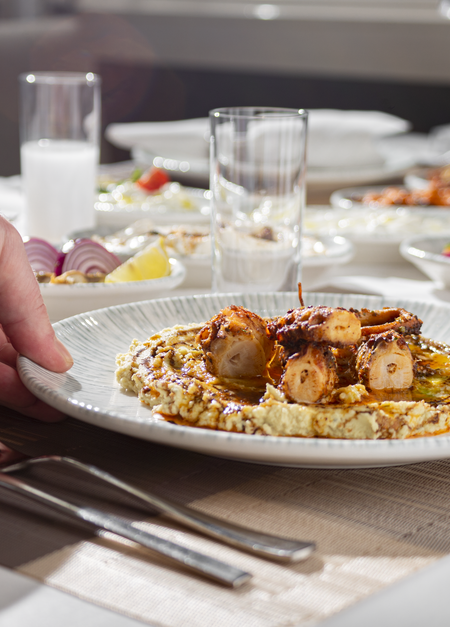
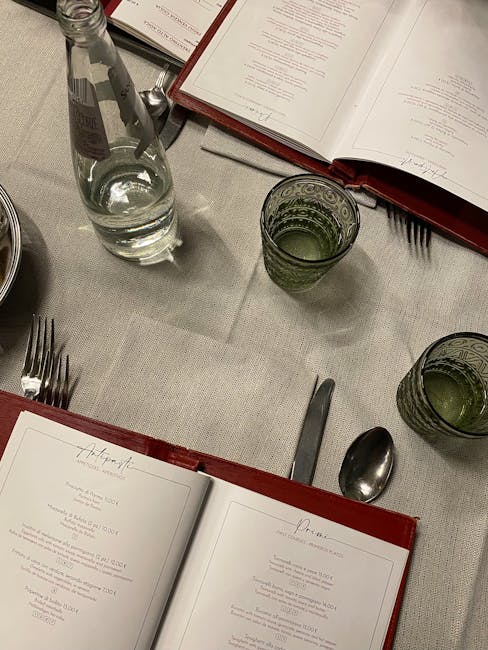
Details such as custom-made tableware, plush seating, and unique decorative accents are common in Rome’s luxury restaurants. These touches are intended to convey a sense of exclusivity and care, reinforcing the idea that dining out is a special event. Some establishments incorporate locally sourced materials and artwork, further connecting the dining experience to the city’s cultural heritage.
Setting Expectations Before the Meal
Industry professionals emphasize that the design of a restaurant can set expectations and influence a guest’s mood before any food arrives. The overall ambiance, from the entrance to the table setting, is crafted to signal the quality and style of the meal to come. In Rome, this approach is seen as an essential part of the luxury dining experience, ensuring that guests feel a sense of occasion from the moment they step inside.

Other Articles