





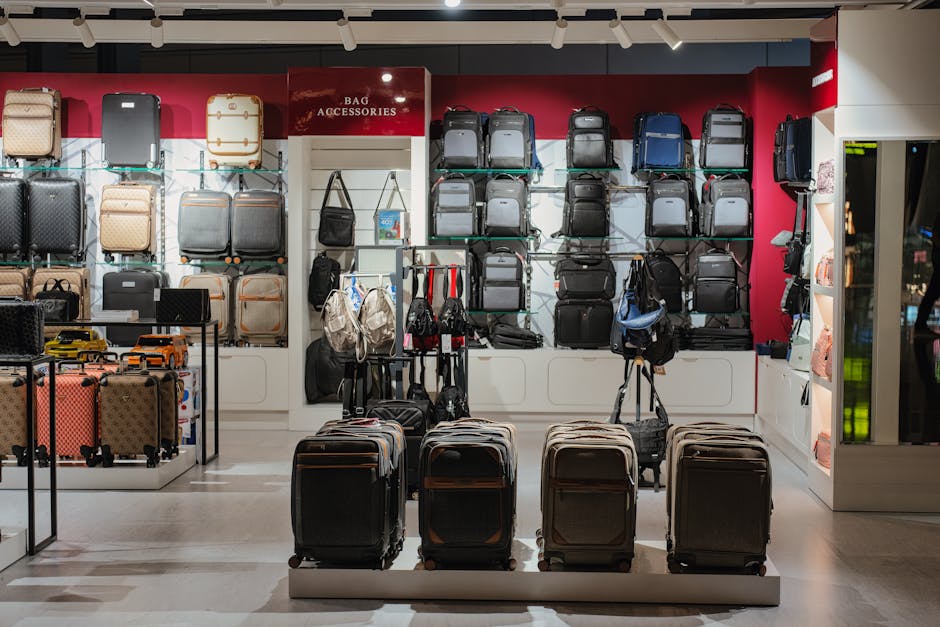
Travel retail has experienced a significant period of growth, often described as a “golden age,” driven by increasing global mobility and rising consumer spending among international travelers. This sector, which includes duty-free shops at airports and other travel hubs, has seen substantial expansion over the past decade. However, industry experts are now considering what lies ahead as this phase of rapid development appears to be slowing.
Shifting Market Dynamics
Recent years have brought notable changes to the travel retail landscape. The COVID-19 pandemic had a profound impact, causing a sharp decline in international passenger traffic and, consequently, sales at travel retail outlets. Although there has been a recovery in travel volumes, the pace has varied across regions, and some markets have yet to return to pre-pandemic levels.
According to industry analysts, evolving consumer preferences and the rise of digital commerce are also influencing the sector. Travelers are increasingly seeking personalized experiences and convenient shopping options, prompting retailers to adapt their strategies. The integration of online and offline channels has become a key focus for many companies in the industry.
Challenges and Opportunities
As travel retail moves beyond its period of rapid growth, businesses are facing several challenges. Fluctuating passenger numbers, changing regulations, and increased competition from domestic retail are among the factors shaping the current environment. Additionally, the sector must address sustainability concerns and adapt to new consumer expectations regarding environmental responsibility.
Despite these challenges, there are opportunities for innovation and growth. Companies are exploring new product categories, enhancing digital engagement, and investing in technology to improve the customer experience. Partnerships with brands and airports are also being leveraged to create unique offerings and drive sales.
Looking Ahead
Industry observers suggest that the future of travel retail will depend on the ability of businesses to respond to changing market conditions and consumer demands. Embracing digital transformation, prioritizing sustainability, and delivering value-added experiences are expected to be central to the sector’s continued evolution.