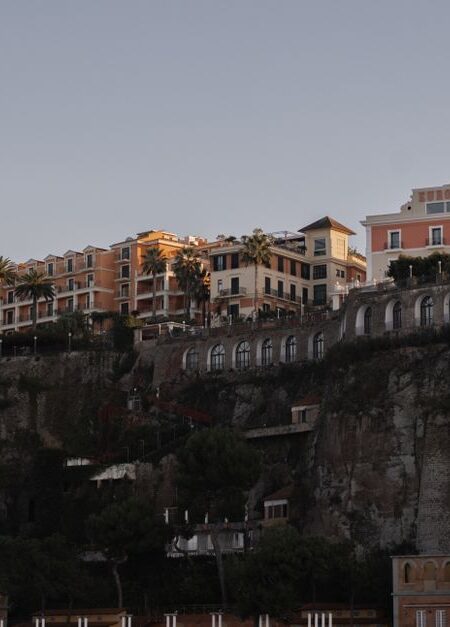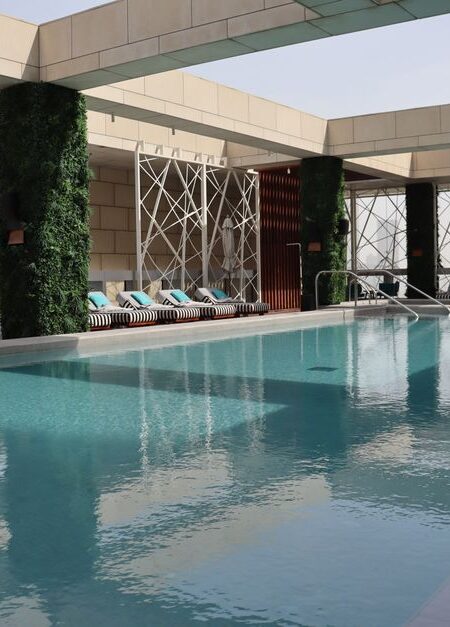





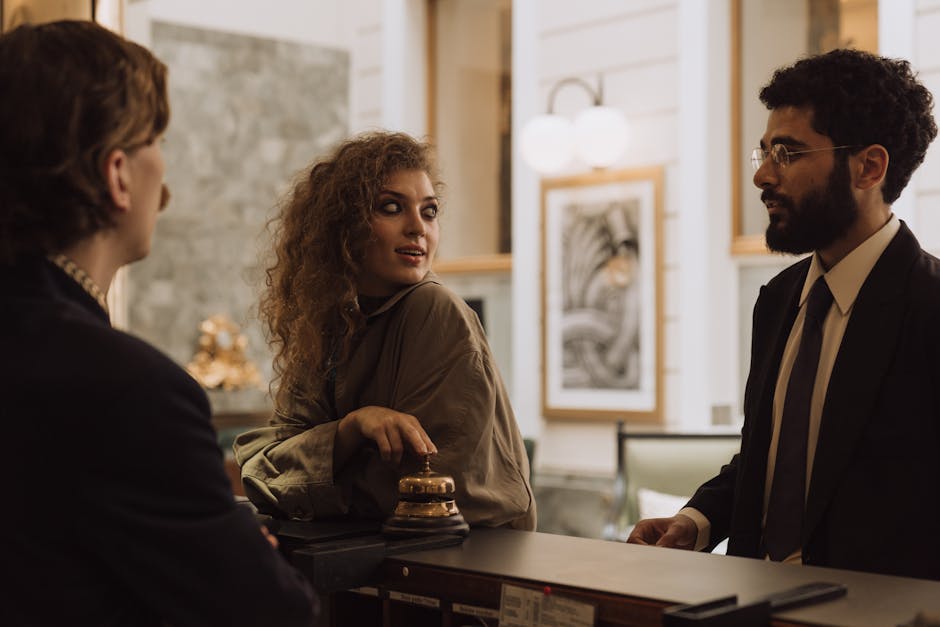
For many years, luxury hotels have been recognized for their distinctive designs, often featuring grand lobbies, opulent furnishings, and elaborate architectural details. However, as traveler preferences shift, industry experts suggest that the approach to luxury hotel design must also change to meet evolving customer needs.
Changing Preferences Among Luxury Travelers
Recent trends indicate that guests are increasingly seeking personalized experiences and functional spaces over traditional displays of luxury. According to industry analysts, travelers today value authenticity and comfort, often prioritizing thoughtful amenities and local influences in design over ornate aesthetics.
“Guests are looking for spaces that feel both luxurious and welcoming, not just impressive,” said a leading hotel design consultant. “The focus is moving away from extravagance for its own sake toward environments that support relaxation and meaningful experiences.”
Industry Response and Design Innovations
Many luxury hotel brands have begun to respond to these changing expectations by reimagining their design strategies. This includes incorporating more flexible layouts, integrating technology seamlessly, and using materials that reflect the surrounding environment. Designers are also emphasizing sustainability and wellness, with features such as natural lighting, biophilic elements, and eco-friendly materials becoming more common.
Some properties are collaborating with local artists and craftspeople to create unique interiors that resonate with the destination’s culture. “We want our guests to feel a sense of place as soon as they walk in,” explained a senior executive at a global hotel group. “It’s about creating memorable moments that go beyond visual impact.”
Balancing Tradition and Innovation
While the movement toward more personalized and functional design is gaining momentum, industry leaders note that tradition still plays a role in defining luxury. The challenge, they say, is to balance classic elements with contemporary needs, ensuring that hotels remain both relevant and distinctive.
“It’s not about abandoning what makes a hotel luxurious,” said an architect specializing in hospitality projects. “It’s about evolving those qualities so they align with what guests value today.”
Looking Ahead
As guest expectations continue to evolve, experts predict that luxury hotel design will keep adapting, with a greater emphasis on individuality, comfort, and a sense of connection to the local context. The industry’s ability to innovate while maintaining high standards of service and quality will likely determine which brands succeed in the changing landscape.

Other Articles