





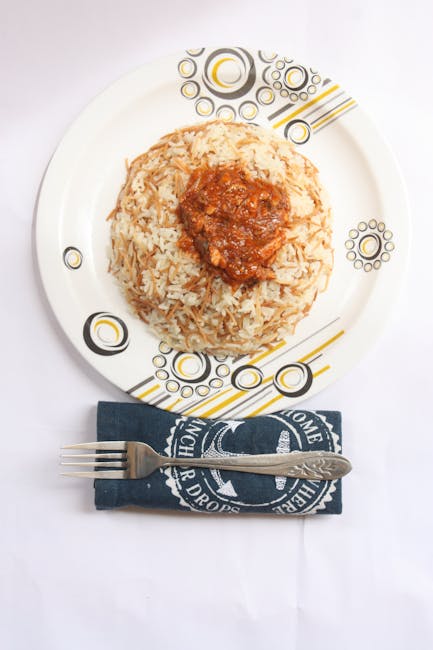
Once a common dish in Nigerian households, jollof rice has become increasingly unaffordable for many families as the price of its ingredients continues to rise sharply.
Escalating Prices Affect a National Favorite
Jollof rice, a popular meal enjoyed by generations in Nigeria, is now seen as a luxury by many due to soaring food costs. The staple, typically made with rice, tomatoes, onions, and spices, has seen its core ingredients become significantly more expensive over the past year.
According to the National Bureau of Statistics, the price of rice in Nigeria has more than doubled since 2023. Tomatoes and onions, essential components of the dish, have also experienced substantial price increases. Vendors at markets in Lagos report that a basket of tomatoes now costs nearly three times what it did a year ago.
Impact on Households and Vendors
Many families who once prepared jollof rice regularly now reserve it for special occasions. “We used to eat jollof rice every Sunday,” said Lagos resident Funke Adeyemi. “Now, we can only afford it during celebrations.”
Food vendors have also been affected. Some have reduced portion sizes or raised prices to cope with the higher costs. Others have removed jollof rice from their menus altogether, citing the difficulty of sourcing affordable ingredients.
Economic Factors Behind the Increase
Analysts attribute the rising prices to a combination of inflation, currency devaluation, and disruptions in the supply chain. The depreciation of the naira has made imported goods, including rice, more costly. Additionally, local farmers have faced challenges such as flooding and insecurity, which have reduced harvests and limited supply.
“The cost of production has gone up at every stage,” said economist Tunde Adebayo. “From farm to market, every link in the chain is under pressure.”
Looking Ahead
With no immediate relief in sight, many Nigerians are adapting by seeking alternative meals or modifying traditional recipes to use less expensive ingredients. However, for many, the absence of jollof rice from the family table is a reminder of the broader economic challenges facing the country.

Other Articles